Get an Accurate Fur Coat Valuation
The fur market has changed dramatically in recent decades, but quality fur garments still have measurable resale value. Value Identifier's AI identifies fur types, designer labels, construction quality, and condition to deliver realistic pricing in today's evolved fur resale market.


Try it free, identify any item
Snap or upload a photo and get its value in seconds
Why knowing your Fur Coats value matters
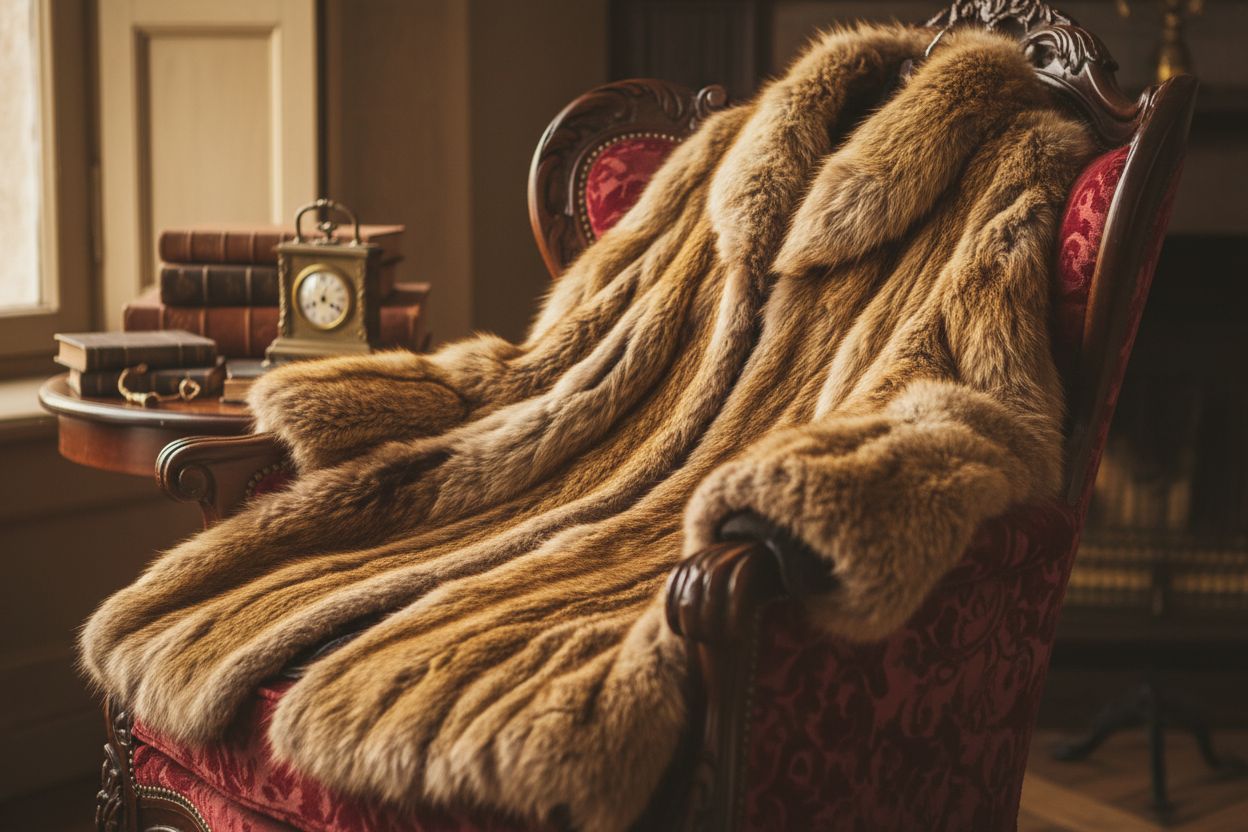
Fur coat values have declined significantly from their peaks, but quality pieces from premium furriers still hold real value. Mink, sable, chinchilla, and fox furs in good condition from recognized designers or retailers maintain active resale markets. Understanding the realistic current value prevents both overestimation based on original purchase price and unnecessary discarding of garments with genuine resale potential. Value Identifier provides honest, market-based fur valuations.
What your scan returns
Point your camera at your fur coats and get a full report in seconds: identification, a market-based price range, condition, rarity and more. Here's an example of the kind of report you'll see.
Fur Coats
Ranch Mink Coat, Full Length
$300 – $800
Condition
Supple
Rarity
Declining Market
Year
c. 1985
A well-kept full-length mink with soft, supple pelts and clean lining. The fur resale market has contracted sharply — quality matters, but expectations should stay modest.
Fun fact
A mink coat that cost $10,000 in the 1980s often resells under $1,000 today.
Key factors that determine Fur Coats value
Fur Type
Sable commands the highest prices, followed by chinchilla, mink, fox, and rabbit. Within each type, quality grades significantly affect value.
Designer or Furrier
Pieces from recognized designers (Fendi, Maximilian) and premium furriers command premiums over unbranded garments.
Condition
Fur suppleness, luster, shedding level, lining integrity, and absence of bald spots determine condition grades for fur garments.
Style & Size
Full-length coats in classic styles maintain the broadest resale market. Fashion-forward designs may appeal to specific buyers.
Age & Storage
Properly cold-stored furs maintain quality for decades. Improperly stored furs dry out, shed, and lose value rapidly.
Tips for scanning your Fur Coats
Photograph the coat front and back on a hanger, showing the full length, style, and overall condition of the fur.
Capture the label inside the coat showing the furrier name, fur type, and any other manufacturer details.
Include a close-up of the fur texture, showing pile density and luster that indicate quality and condition.
Document any condition issues, bald spots, lining tears, dried patches, or closure damage, as these significantly affect valuation.
Fur Coats market overview
The fur resale market has contracted as cultural attitudes and fashion trends have shifted away from fur. However, a functional secondary market exists for quality pieces, particularly through consignment shops and specialized dealers. Vintage fur coats have found new audiences among sustainable fashion advocates who prefer pre-owned fur over new production. The market values quality and condition above all, with poorly maintained furs having minimal resale potential regardless of original cost.
Fur Coats valuation FAQ
Are fur coats still worth anything?+
Quality fur coats in good condition still have resale value, though typically a fraction of their original purchase price. Sable, mink, and chinchilla from premium furriers maintain the strongest resale markets.
How much has the fur market declined?+
Resale values for fur coats have dropped significantly from peak levels. A mink coat that cost $10,000 may now resell for $500-$2,000 depending on quality and condition. Value Identifier provides current realistic market pricing.
Does fur type matter for resale?+
Significantly. Russian sable is the most valuable, followed by chinchilla and high-quality mink. Fox and rabbit furs have lower resale values. The AI identifies the fur type and applies appropriate market pricing.
How should fur be stored to maintain value?+
Professional cold storage (45°F/7°C with controlled humidity) preserves fur quality for decades. Home closet storage in warm, dry conditions causes fur to dry out, become brittle, and shed, dramatically reducing value over time.
More fashion and luxury goods
Ready to identify & value your Fur Coats?
Download Value Identifier free and scan your first items, no account needed.