Discover the True Value of Your Jewelry
Jewelry encompasses everything from vintage estate brooches to contemporary designer rings and heirloom necklaces. Value Identifier's AI analyzes gemstones, metal types, craftsmanship, and designer hallmarks to deliver comprehensive pricing that accounts for both material and artistic value.


Try it free, identify any item
Snap or upload a photo and get its value in seconds
Why knowing your Jewelry value matters
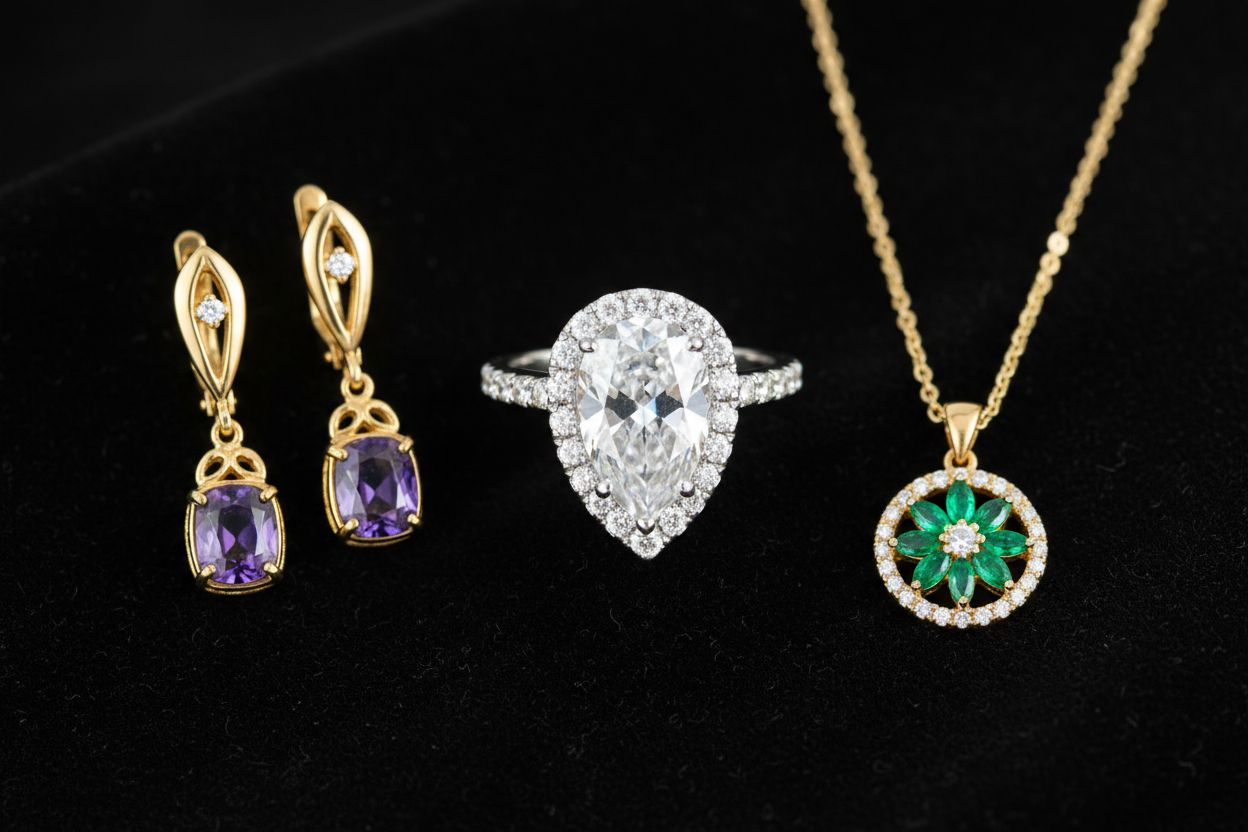
Most jewelry owners have little idea whether their pieces are worth the sentimental value alone or represent significant financial assets. Precious metals fluctuate with commodity markets, gemstone quality follows the 4Cs and beyond, and designer provenance can multiply value exponentially. An inherited ring might contain a mediocre stone in a platinum setting or a spectacular gem in costume metal. Each scenario demands different handling. Value Identifier reveals these distinctions so you can make informed decisions about insurance, sale, or preservation.
What your scan returns
Point your camera at your jewelry and get a full report in seconds: identification, a market-based price range, condition, rarity and more. Here's an example of the kind of report you'll see.
Jewelry
14k Gold Curb Chain, 22 in / 18 g
$950 – $1,250
Condition
Excellent
Rarity
Standard
Year
Modern
A solid 14-karat curb-link chain weighing about 18 grams. Melt value sets the floor at current gold spot; retail resale adds a modest premium for wearable condition.
Fun fact
Gold prices more than doubled between 2019 and 2026, lifting every gold chain with them.
Key factors that determine Jewelry value
Metal Type & Purity
Gold karat (10K, 14K, 18K, 24K), platinum, palladium, and silver purity directly determine the base melt value of any piece.
Gemstone Quality
Cut, clarity, color, and carat weight for diamonds, and analogous quality factors for colored gemstones, are the primary drivers of stone value.
Designer or Brand
Pieces from Tiffany, Cartier, Van Cleef & Arpels, Bulgari, and other luxury houses carry brand premiums well above material value.
Era & Style
Art Deco, Victorian, Edwardian, and Mid-Century Modern periods each have dedicated collector followings that influence pricing.
Craftsmanship & Setting
Hand-fabricated pieces, micro-pavé work, and intricate filigree demonstrate artisan skill that adds measurable value beyond materials.
Tips for scanning your Jewelry
Photograph jewelry on a plain white or black background to give the AI maximum contrast for identifying stones and metal color.
Use macro mode or get close enough to capture hallmarks, stamps, and maker's marks that are essential for brand identification.
Avoid wearing the piece while photographing. Lay it flat or use a jewelry stand to eliminate skin reflections and shadows.
Capture multiple angles including the underside of settings, as prong style and construction details help determine era and quality.
Jewelry market overview
The global jewelry market continues to grow, driven by both investment interest in precious materials and fashion-driven demand for designer pieces. Colored gemstones, particularly sapphires, emeralds, and rubies of fine quality, have seen notable price increases as supply from traditional mines tightens. Estate jewelry offers buyers unique designs at prices often below comparable new pieces, creating active secondary market trading.
Jewelry valuation FAQ
Can Value Identifier determine the karat of my gold jewelry?+
The AI looks for hallmark stamps and karat markings in your photos. If visible, it uses these to confirm purity. It can also estimate gold color type (yellow, white, rose) from visual analysis.
Does it appraise costume jewelry?+
Yes. While costume jewelry lacks precious materials, vintage and designer costume pieces from brands like Miriam Haskell, Weiss, or Eisenberg can be quite valuable, and the AI identifies these makers.
How accurate is AI gemstone identification?+
Value Identifier can identify major gemstone types and estimate quality from photographs. However, definitive gemological certification (GIA, AGS) requires in-person laboratory analysis with specialized instruments.
Should I get jewelry appraised for insurance?+
Absolutely. Value Identifier provides a strong starting estimate, but formal insurance appraisals typically require a certified gemologist's in-person examination and written documentation.
More jewellery and precious metals
Ready to identify & value your Jewelry?
Download Value Identifier free and scan your first items, no account needed.