Get an Accurate Rug Valuation
Handmade rugs represent centuries of weaving tradition from cultures around the world, with exceptional examples achieving five and six-figure prices at auction. Value Identifier's AI analyzes weave patterns, color palettes, border designs, and construction quality to identify rug origins and deliver market-informed pricing.


Try it free, identify any item
Snap or upload a photo and get its value in seconds
Why knowing your Rugs value matters
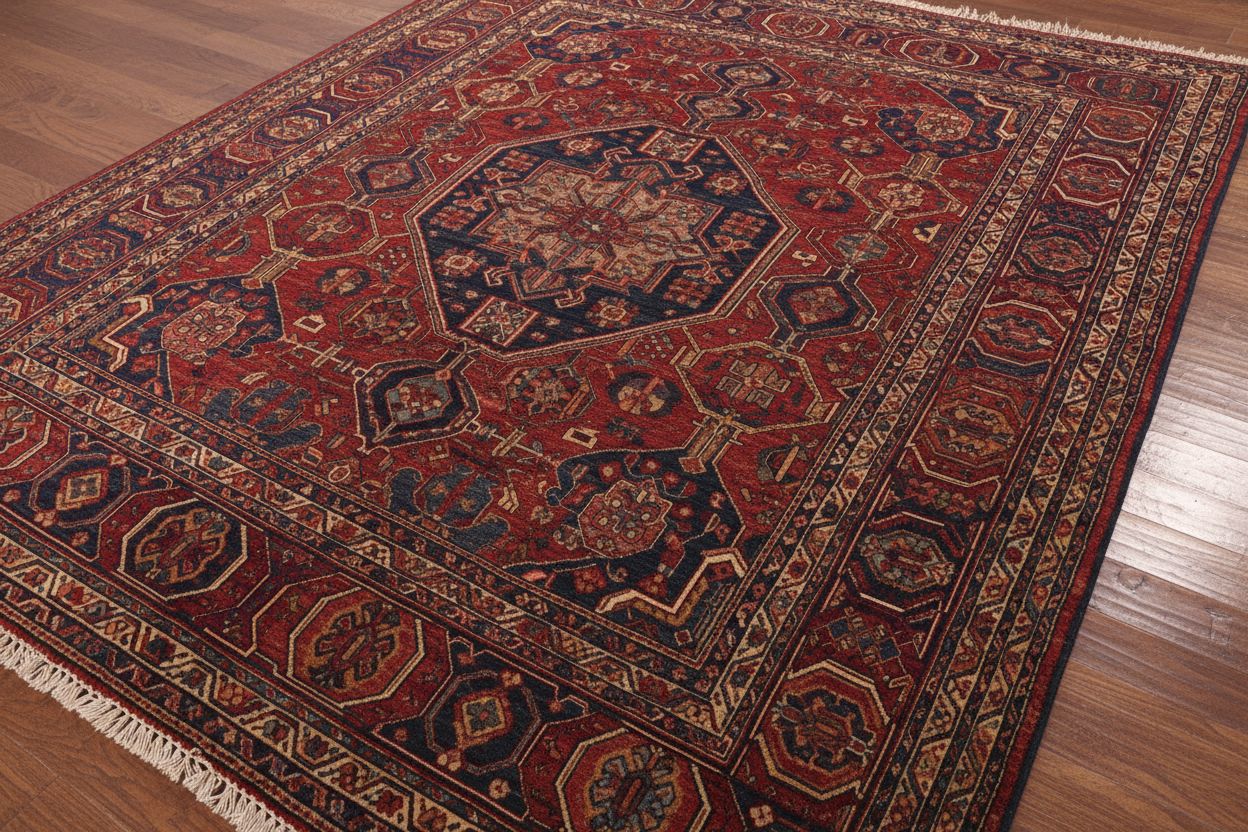
A handmade Persian rug can be worth thousands to tens of thousands, while a machine-made reproduction might look similar and be worth a fraction. Identifying the specific origin (Persian, Turkish, Caucasian, Chinese), weave type, age, and material composition is essential for accurate valuation. Knot density, natural vs. synthetic dyes, and design complexity all contribute to pricing. Value Identifier decodes these factors from photographs to reveal your rug's true market position.
What your scan returns
Point your camera at your rugs and get a full report in seconds: identification, a market-based price range, condition, rarity and more. Here's an example of the kind of report you'll see.
Rugs
Persian Tabriz Rug, 8x10, Hand-Knotted
$1,200 – $2,500
Condition
Good Pile
Rarity
Hand-Made
Year
c. 1970
A hand-knotted wool Tabriz with even pile, secure ends, and rich natural dyes. Hand-made Persian rugs hold value; machine-made copies have essentially none.
Fun fact
Flip a corner: hand-knotted rugs show the pattern clearly on the back.
Key factors that determine Rugs value
Origin & Region
Persian (Iranian), Turkish, Caucasian, Turkmen, and Chinese rugs each have distinct pricing structures, with certain regions commanding premium status.
Weave Quality
Knot density (knots per square inch), evenness of weave, and material quality determine the craftsmanship grade of handmade rugs.
Age & Patina
Antique rugs (100+ years) with good preservation are generally most valuable, though fine modern rugs from master weavers also command strong prices.
Design & Pattern
Certain traditional designs (Heriz, Isfahan, Tabriz, Kashan) are more sought after than others, with unusual or exceptional examples earning premiums.
Condition
Wear, staining, moth damage, repairs, and foundation integrity all factor into condition assessment and pricing.
Tips for scanning your Rugs
Photograph the entire rug flat from directly above, showing the full pattern, borders, and proportions.
Capture a close-up of the weave from the back, as knot structure and density visible on the reverse are key identification and quality indicators.
Include a shot of the fringe or edges, showing whether they are integral to the weave (handmade) or sewn on (machine-made).
Photograph any labels, signatures, or inscriptions woven into the rug, and document any damage areas for accurate condition assessment.
Rugs market overview
The rug market has adjusted as interior design trends have shifted toward minimalist aesthetics, softening demand for ornate traditional rugs. However, exceptional antique pieces and rugs that complement contemporary décor maintain strong values. The market increasingly values age, authenticity, and natural materials, with collectors and decorators willing to pay premiums for genuine handmade pieces over machine-produced alternatives.
Rugs valuation FAQ
How can I tell if a rug is handmade?+
Value Identifier analyzes the back of the rug for knot irregularities characteristic of hand-knotting, fringe construction, and pile characteristics. Handmade rugs show slight variations that machine-made rugs lack.
What rugs are most valuable?+
Silk Isfahan, fine Tabriz, antique Heriz, Caucasian tribal rugs, and Turkmen tribal pieces in excellent condition consistently command the highest prices. Exceptional examples from any origin with superior craftsmanship are valued.
Does size affect rug value?+
Yes. Room-size rugs (approximately 9x12 feet) are the most versatile and often the most sought after. Very large and very small rugs have more specialized markets.
Can the AI tell the age of a rug?+
Value Identifier estimates age based on dye analysis (natural vs. synthetic), design style evolution, wear patterns, and construction techniques. Precise dating often requires in-person analysis of foundation materials and dye chemistry.
More art and decorative pieces
Ready to identify & value your Rugs?
Download Value Identifier free and scan your first items, no account needed.