What Are Your Gold & Silver Items Really Worth?
Precious metals hold intrinsic value that transcends collectibility, but knowing the exact purity, weight, and form of your gold and silver items determines whether they are worth melt value or carry additional numismatic or artistic premiums. Value Identifier's AI analyzes hallmarks, form factors, and visual characteristics to deliver comprehensive precious metal valuations.


Try it free, identify any item
Snap or upload a photo and get its value in seconds
Why knowing your Gold & Silver value matters
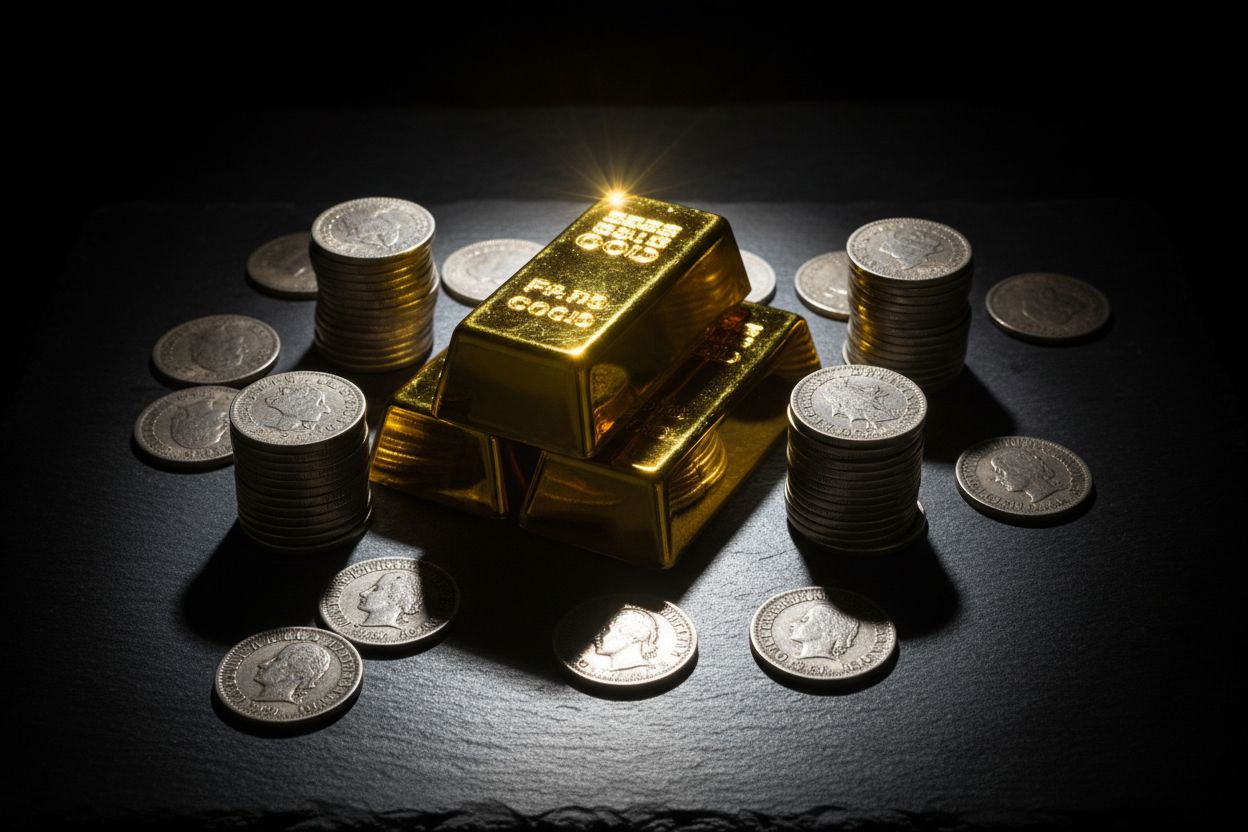
Gold and silver prices fluctuate daily with global commodity markets, but the form in which you hold precious metals dramatically affects realized value. A gold coin with numismatic significance can be worth several multiples of its melt value, while a generic gold chain is typically worth slightly below spot. Purity markings (10K vs. 24K, .925 vs. .999) create enormous price differences per gram. Value Identifier helps you understand both the melt value floor and any collector premium your items may command.
What your scan returns
Point your camera at your gold & silver and get a full report in seconds: identification, a market-based price range, condition, rarity and more. Here's an example of the kind of report you'll see.
Gold & Silver
10 oz Silver Bar, RCM
$380 – $420
Condition
Bullion
Rarity
Standard
Year
Modern
A Royal Canadian Mint 10-ounce .9999 silver bar. Value tracks spot price almost exactly, with a small premium for the recognized mint mark and serial number.
Fun fact
Silver spot price is the same worldwide — only the premium over spot varies by product.
Key factors that determine Gold & Silver value
Metal Purity
Gold karat (10K, 14K, 18K, 22K, 24K) and silver fineness (.925 sterling, .999 fine) directly determine the precious metal content and base value.
Weight
Total weight in grams or troy ounces sets the melt value calculation. Heavier items with higher purity are worth proportionally more.
Form & Collectibility
Bullion bars, government-minted coins, jewelry, and decorative items each carry different premium structures above melt value.
Spot Price
Current global spot prices for gold and silver set the baseline that all precious metal valuations reference.
Numismatic or Artistic Premium
Rare coins, designer jewelry, and historically significant pieces can command values well above their raw metal content.
Tips for scanning your Gold & Silver
Photograph any hallmarks, purity stamps, or karat markings clearly. These are the single most important data points for accurate precious metal identification.
Include items next to a common reference object (coin or ruler) to help the AI estimate dimensions and approximate weight.
Capture the color accurately in natural light. Rose gold, yellow gold, and white gold have different purities and value characteristics.
For bullion items, photograph the face showing mint marks, weight, and purity designations printed or stamped on the piece.
Gold & Silver market overview
Precious metals have served as stores of value for millennia and continue to function as hedges against economic uncertainty. Gold has reached record highs in recent years, while silver offers a lower entry point with higher percentage volatility. Physical ownership of precious metals remains popular among investors seeking tangible assets outside the financial system.
Gold & Silver valuation FAQ
How does Value Identifier estimate gold value?+
The AI identifies the karat or purity from hallmarks and visual characteristics, estimates approximate weight from dimensions and form factor, then calculates value based on current spot prices plus any applicable collector premiums.
Is sterling silver worth selling?+
Yes. Sterling silver (.925 purity) has meaningful melt value, and many sterling pieces carry additional value as antiques, branded items, or collectible patterns. The AI identifies both melt value and potential collector premiums.
Can the AI tell if something is real gold?+
Value Identifier looks for hallmarks, karat stamps, and visual characteristics consistent with genuine precious metals. However, definitive testing requires acid testing, electronic testing, or X-ray fluorescence analysis in person.
Should I sell gold when prices are high?+
Market timing is a personal decision. Value Identifier provides current market pricing so you can make informed decisions about whether current prices meet your expectations compared to historical ranges.
More jewellery and precious metals
Ready to identify & value your Gold & Silver?
Download Value Identifier free and scan your first items, no account needed.