Discover the True Value of Your Diamonds
Diamonds are valued according to a complex interplay of cut, color, clarity, and carat weight that creates an enormous price spectrum. Value Identifier's AI analyzes visual characteristics of your diamond to provide market-informed pricing and quality estimation from photographs.


Try it free, identify any item
Snap or upload a photo and get its value in seconds
Why knowing your Diamonds value matters
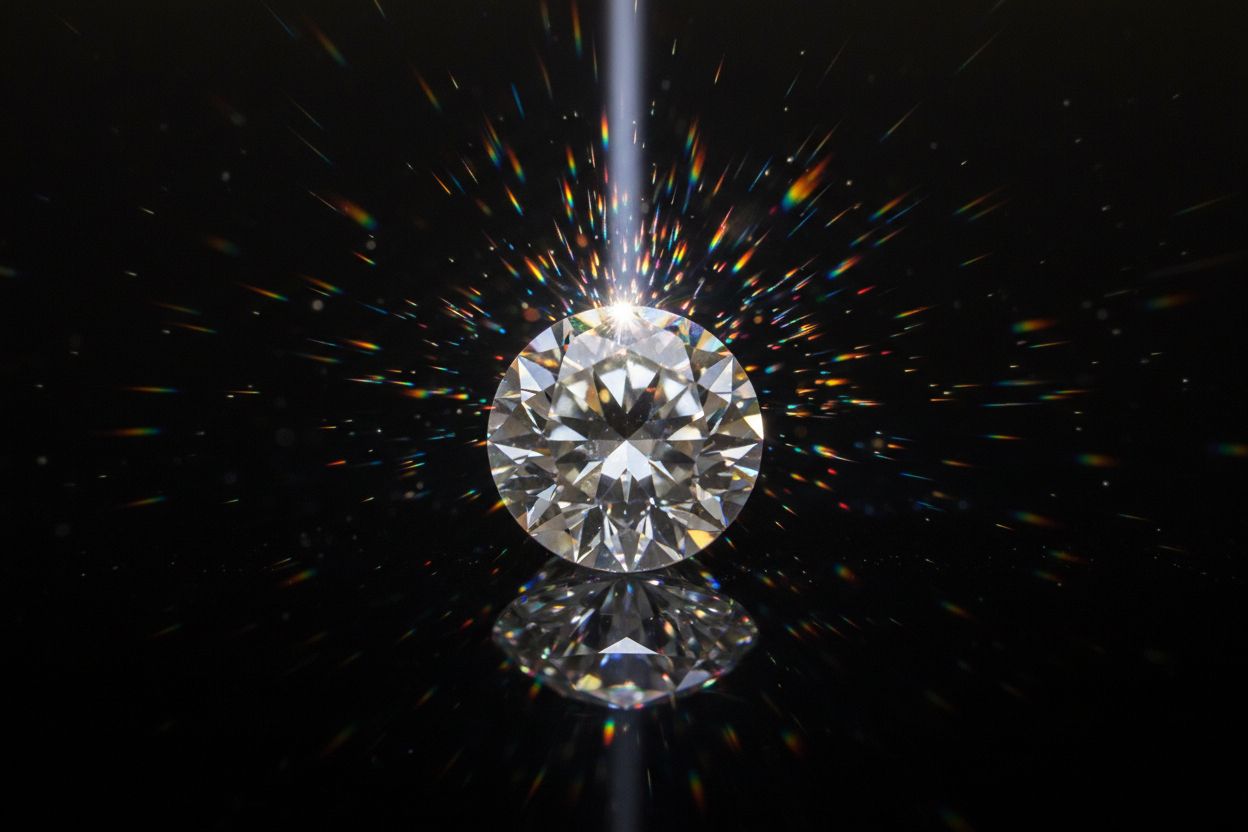
Two diamonds of identical carat weight can differ in price by ten times or more based on cut quality, color grade, and clarity. Most diamond owners know the carat weight but lack understanding of how the other quality factors affect resale value. Retail markups on diamonds are substantial, meaning resale values often come as a surprise. Lab-grown diamonds have added another variable to the market. Value Identifier provides realistic market pricing that accounts for all these factors.
What your scan returns
Point your camera at your diamonds and get a full report in seconds: identification, a market-based price range, condition, rarity and more. Here's an example of the kind of report you'll see.
Diamonds
1.01 ct Round Brilliant, GIA H/VS2
$3,200 – $4,200
Condition
Excellent Cut
Rarity
Certified
Year
Modern
A GIA-certified one-carat round with strong proportions. Lab-grown competition has pressured natural prices, making certification papers more important than ever for resale.
Fun fact
A diamond's price jumps disproportionately at the 1.00-carat mark — the 'magic weight'.
Key factors that determine Diamonds value
Carat Weight
Weight is the most visible price factor, with certain magic numbers (0.5, 1.0, 1.5, 2.0 carats) creating price jumps at these thresholds.
Cut Quality
Cut determines brilliance and fire. Excellent/Ideal cuts command significant premiums over Good or Fair cuts at every carat weight.
Color Grade
Graded D (colorless) through Z (light yellow/brown), with each grade step representing a price adjustment. D-F colorless diamonds command the highest prices.
Clarity Grade
From Flawless to Included, clarity grades reflect the visibility and impact of internal and external characteristics under magnification.
Certification
GIA, AGS, and other lab certifications provide trusted quality assessments that directly influence buyer confidence and market pricing.
Tips for scanning your Diamonds
Photograph the diamond under bright, white light to show brilliance, and capture it from directly above for the best shape and proportion assessment.
If the diamond is in a setting, try to photograph it so the AI can see as much of the stone as possible. Prongs and bezels can obscure facets.
Include any GIA or lab certification documents in a separate photograph, as the certificate provides definitive quality data the AI can reference.
Photograph the diamond next to a known reference object for scale, as carat weight estimation from photos requires dimensional context.
Diamonds market overview
The diamond market has been disrupted by lab-grown alternatives, which now account for a significant portion of engagement ring sales at dramatically lower price points. Natural diamonds, particularly those above 2 carats in high grades, continue to hold value well in the resale market. Fancy colored diamonds (pink, blue, yellow) have shown appreciation as their rarity becomes more pronounced with declining mine output.
Diamonds valuation FAQ
Can Value Identifier determine exact diamond grades from a photo?+
The AI estimates quality characteristics from visual analysis, but precise grading (especially clarity) requires gemological instruments and controlled lighting. Photographs provide strong estimates that align well with certified grades for cut and color.
How much are lab-grown diamonds worth?+
Lab-grown diamonds trade at significant discounts to natural diamonds. Typically 60-80% less for comparable quality. Resale values for lab-grown diamonds are currently very low. Value Identifier distinguishes between natural and lab-grown when identifiable.
Does diamond shape affect value?+
Yes. Round brilliant diamonds command the highest prices per carat due to their superior light performance and market demand. Fancy shapes (oval, emerald, pear) typically sell for 20-40% less per carat than comparable round diamonds.
Why is my diamond worth less than what I paid?+
Retail diamond prices include significant markups for overhead, marketing, and profit margins. Resale values reflect wholesale and secondary market pricing, which is typically 30-60% below retail depending on quality and demand.
More jewellery and precious metals
Ready to identify & value your Diamonds?
Download Value Identifier free and scan your first items, no account needed.