Identify & Value Your Furniture Instantly
Furniture valuation depends heavily on maker, period, style, and condition, factors that are difficult to assess without expertise. Value Identifier's AI recognizes construction techniques, design signatures, and brand markings to identify and price furniture from rustic antiques to high-end designer pieces.


Try it free, identify any item
Snap or upload a photo and get its value in seconds
Why knowing your Furniture value matters
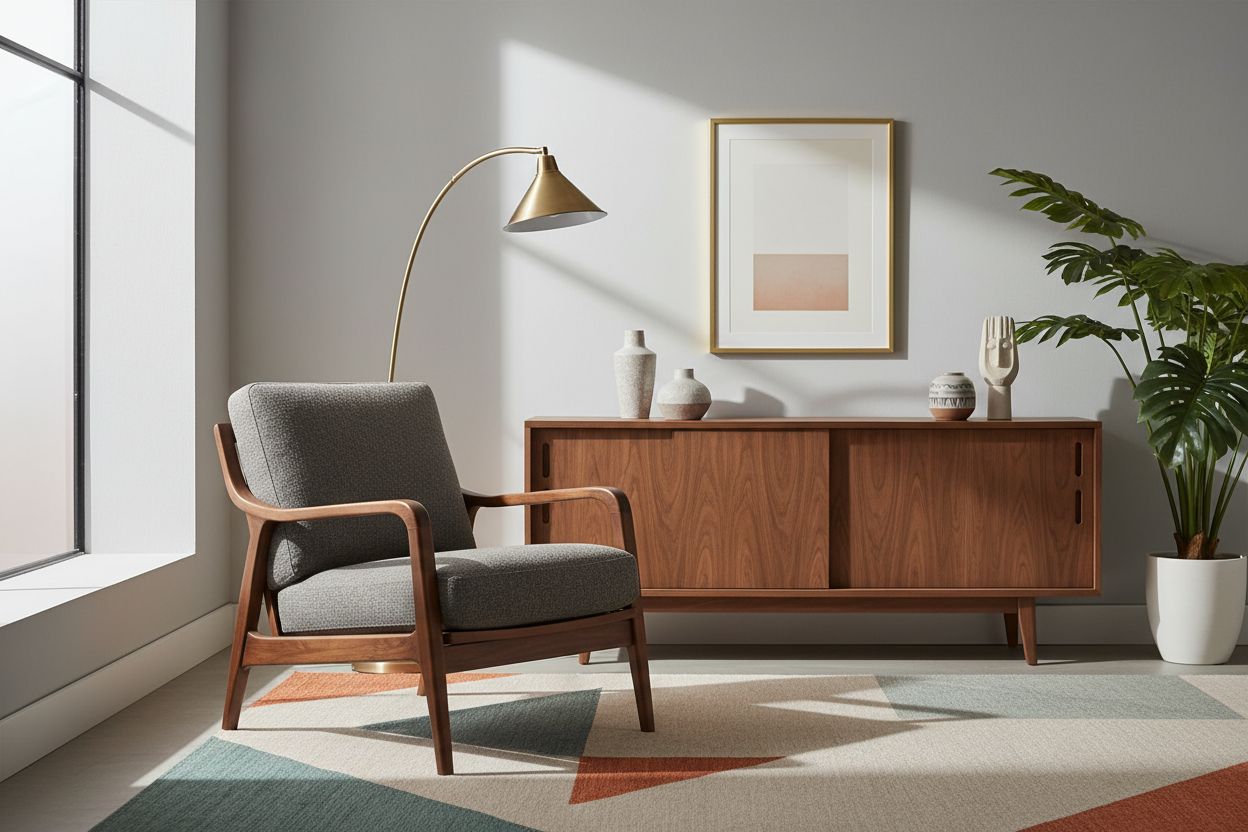
Furniture occupies a unique position where functional utility meets collectibility. A Mid-Century Modern sideboard by a recognized designer can be worth thousands, while a visually similar mass-produced piece may sell for a fraction. Construction quality, joinery methods, and material choices reveal whether a piece is handcrafted or factory-made. Moving, downsizing, and estate situations regularly require quick, accurate furniture assessments. Value Identifier provides that clarity without scheduling an in-person appraiser.
What your scan returns
Point your camera at your furniture and get a full report in seconds: identification, a market-based price range, condition, rarity and more. Here's an example of the kind of report you'll see.
Furniture
Herman Miller Eames Lounge Chair
$2,500 – $4,000
Condition
Good
Rarity
Design Classic
Year
c. 1980
An authentic Eames lounge with rosewood-veneer shells and original leather showing patina. Authentication marks under the base separate it from the countless replicas.
Fun fact
The Eames lounge has been in continuous production since 1956.
Key factors that determine Furniture value
Designer or Maker
Pieces by Herman Miller, Knoll, Eames, Nakashima, Stickley, and other recognized designers or manufacturers command established premium ranges.
Period & Style
Georgian, Victorian, Art Nouveau, Art Deco, Mid-Century Modern, and contemporary design periods each carry different market valuations.
Material Quality
Solid hardwoods, exotic veneers, marble tops, and quality upholstery fabrics directly influence the value tier of a piece.
Condition & Originality
Original finishes, upholstery, and hardware are preferred. Refinished or reupholstered pieces may lose or gain value depending on the quality of work.
Size & Functionality
Market demand favors pieces that fit modern living spaces. Oversized Victorian pieces often sell for less than compact Mid-Century designs.
Tips for scanning your Furniture
Photograph the full piece from the front, then capture any maker's labels, stamps, or branded hardware close-up for identification.
Include a photo of the construction details. Drawer joinery, back panels, and underside markings reveal age, quality, and maker information.
Shoot in natural light to accurately represent wood tones, fabric colors, and finish quality that affect the AI's condition assessment.
Photograph any damage, wear, stains, or repairs separately so the AI can factor these into the condition-adjusted valuation.
Furniture market overview
The furniture market is heavily influenced by interior design trends, with Mid-Century Modern maintaining strong demand while ornate traditional styles have softened. Online resale platforms have made it easier to sell quality furniture nationally, expanding the buyer pool beyond local markets. Sustainability-minded consumers increasingly prefer vintage and antique furniture over new production, supporting prices for quality used pieces.
Furniture valuation FAQ
Can Value Identifier identify furniture brands from photos?+
Yes. The AI recognizes visual design signatures, construction methods, and specific brand markings from major manufacturers and designers. Labels, stamps, and hardware styles are key identifiers.
Is antique furniture worth more than modern?+
Not necessarily. High-end modern designer furniture can be worth as much or more than antiques. The market values quality, design significance, and demand regardless of age.
How does condition affect furniture value?+
Condition is critical. Structural damage, water stains, veneer lifting, and broken components significantly reduce value. Professional restoration can recover some value but rarely brings a piece back to original-condition pricing.
What furniture styles are most collectible right now?+
Mid-Century Modern remains the strongest category, particularly Danish design and American studio furniture. Art Deco is also performing well. Traditional Victorian and Colonial styles have a smaller but dedicated collector base.
Ready to identify & value your Furniture?
Download Value Identifier free and scan your first items, no account needed.