Discover the True Value of Your Piano
Pianos represent significant financial investments and emotional attachments, but their resale values vary enormously based on brand, type, age, and condition. Value Identifier's AI identifies manufacturers, model types, and quality tiers to deliver realistic market pricing in a complex instrument category.


Try it free, identify any item
Snap or upload a photo and get its value in seconds
Why knowing your Pianos value matters
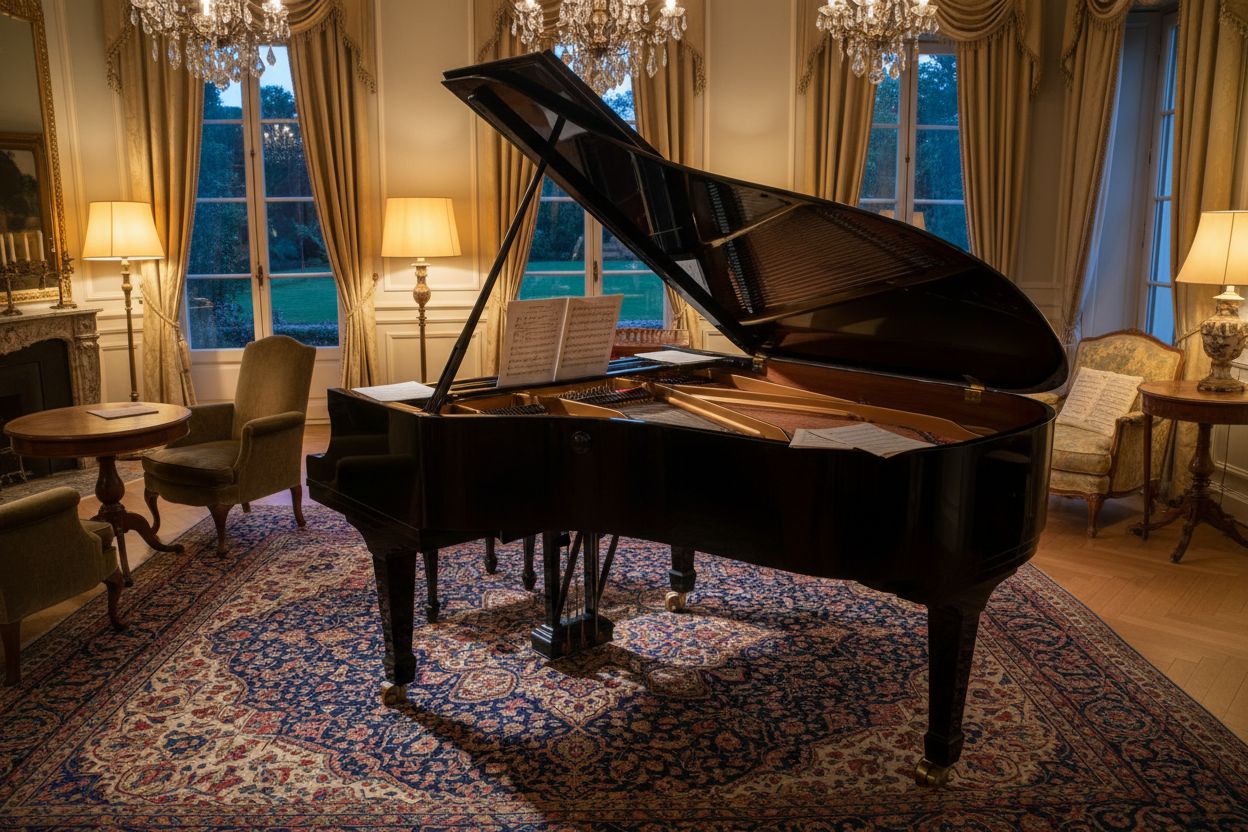
The piano market is one of the most misunderstood in collectibles and instruments. Many owners believe their piano is worth thousands when it may be worth very little, while others underestimate genuinely valuable instruments. Steinway, Bösendorfer, and other premium brands maintain strong resale values, but generic uprights and aging spinets may have negative value when moving costs are factored in. Value Identifier provides the honest market assessment that helps you make informed decisions about repair, sale, or donation.
What your scan returns
Point your camera at your pianos and get a full report in seconds: identification, a market-based price range, condition, rarity and more. Here's an example of the kind of report you'll see.
Pianos
Steinway Model M Grand, Ebony
$18,000 – $30,000
Condition
Very Good
Rarity
Premium Brand
Year
c. 1970
A 5'7" Steinway grand with original soundboard in strong condition and recent regulation. Steinways hold value like no other piano; most other brands depreciate heavily.
Fun fact
A Steinway takes nearly a year to build and contains over 12,000 parts.
Key factors that determine Pianos value
Brand & Manufacturer
Steinway, Yamaha, Kawai, Bösendorfer, and other premium brands command strong resale values. Lesser-known brands may have modest to minimal market demand.
Type & Size
Concert and semi-concert grands are most valuable, followed by baby grands, professional uprights, and console/spinet models.
Age & Restoration Status
Well-maintained or professionally rebuilt instruments from quality makers hold value. Unrestored pianos requiring significant work have reduced value.
Mechanical Condition
Action responsiveness, soundboard integrity, tuning stability, and pedal function all directly impact playability and value.
Cosmetic Condition
Finish quality, cabinet condition, bench inclusion, and ivory vs. plastic key tops contribute to the overall presentation value.
Tips for scanning your Pianos
Photograph the piano from the front showing the full keyboard, fallboard, and brand name that is typically displayed above the keys.
Open the top or lid and photograph the soundboard, strings, and any manufacturer plate showing the serial number and brand.
Capture the overall case condition including sides, legs, and pedal assembly from multiple angles.
Include a close-up of the keys showing condition, material (ivory vs. plastic), and any visible damage or yellowing.
Pianos market overview
The piano market faces oversupply for standard uprights and spinets, as fewer households prioritize space for full-size acoustic pianos. However, quality grand pianos from premium brands maintain demand among serious musicians and institutions. Rebuilt Steinway pianos have a robust market, while digital pianos have absorbed much of the student and casual player demand. The gap between premium and entry-level piano values continues to widen.
Pianos valuation FAQ
Are old pianos valuable?+
It depends entirely on the brand and condition. A well-maintained Steinway from any era has significant value. However, many old pianos from minor manufacturers or in poor condition may have little to no market value, and moving costs can exceed the instrument's worth.
How does Value Identifier assess piano condition?+
The AI evaluates visible factors including case finish, key condition, string and soundboard appearance, and manufacturer prestige. In-person assessment of action, tone, and tuning stability is recommended for precise valuation of significant instruments.
What pianos are worth the most?+
Steinway Model D concert grands, Bösendorfer Imperial, and other premium concert and semi-concert grands command the highest prices. Steinway Model B and M grands also maintain strong resale markets.
Should I restore my piano before selling?+
Professional restoration of a premium brand (Steinway, Mason & Hamlin) can significantly increase value and is often worthwhile. For lesser brands, restoration costs may exceed the value added. Value Identifier helps you assess whether restoration makes financial sense.
More music gear and records
Ready to identify & value your Pianos?
Download Value Identifier free and scan your first items, no account needed.