Discover the True Value of Your China & Porcelain
Fine china and porcelain represent centuries of ceramic artistry from manufacturers worldwide. Value Identifier's AI identifies patterns, makers, backstamps, and production periods to deliver pricing that reflects the current collector and replacement market for your pieces.


Try it free, identify any item
Snap or upload a photo and get its value in seconds
Why knowing your China & Porcelain value matters
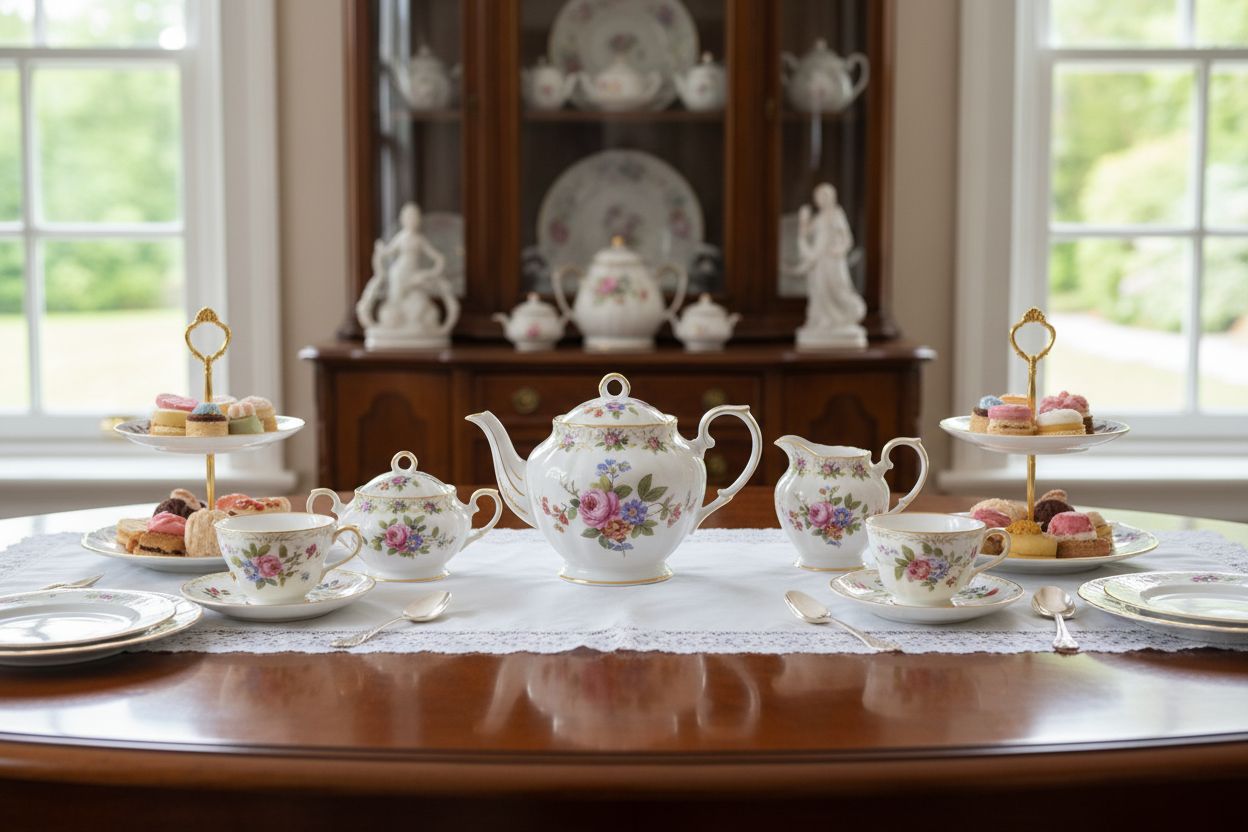
The china and porcelain market has evolved significantly, with some patterns highly sought after and others struggling to find buyers at any price. Identifying your specific pattern and maker is the essential first step. Pieces from Meissen, Royal Copenhagen, Herend, and other premium manufacturers maintain strong collector demand. Condition is critical for porcelain, as chips and cracks dramatically affect value. Value Identifier navigates the vast world of china patterns to tell you exactly what you have and what it commands in today's market.
What your scan returns
Point your camera at your china & porcelain and get a full report in seconds: identification, a market-based price range, condition, rarity and more. Here's an example of the kind of report you'll see.
China & Porcelain
Royal Copenhagen Blue Fluted Plates, 8
$150 – $300
Condition
No Chips
Rarity
Classic Pattern
Year
c. 1970
Hand-painted Blue Fluted dinner plates with first-quality marks and no wear to the glaze. Fine china is a buyer's market, but the classic Danish and English patterns hold best.
Fun fact
Royal Copenhagen has painted the same Blue Fluted pattern since 1775.
Key factors that determine China & Porcelain value
Manufacturer
Meissen, Herend, Royal Copenhagen, Sèvres, Limoges, and Wedgwood represent the upper tier. Quality Japanese porcelain (Noritake, Arita) also commands collector interest.
Pattern & Design
Specific patterns have individual demand levels. Sought-after patterns from premium makers can be worth substantial amounts per piece.
Piece Type
Serving pieces, tureens, and specialty items are often more valuable per piece than standard dinner plates and cups.
Condition
Perfect condition is essential for maximum value. Any chips, cracks, staining, or crazing significantly reduces porcelain pricing.
Age & Rarity
Early production pieces, discontinued patterns, and limited editions carry premiums tied to their scarcity in the market.
Tips for scanning your China & Porcelain
Photograph the piece showing the full pattern, then flip it over to capture the backstamp or maker's mark on the bottom. This is the most critical identification element.
Include a straight-on photo of any hand-painted details or gilding, as decoration quality helps determine the production period and value tier.
Document any chips, cracks, or wear on the gilding with close-up photos, as condition is paramount for porcelain valuation.
For sets, photograph one complete place setting representative of the pattern, plus any unusual or specialty serving pieces.
China & Porcelain market overview
The fine china market has contracted from its peak as formal dining traditions have waned, but select manufacturers and patterns continue to maintain strong value. The replacement market (collectors seeking specific pieces to complete sets) drives much of the demand for individual pieces. Asian porcelain, particularly Chinese export ware and quality Japanese ceramics, has seen increased international interest from collectors in Asia.
China & Porcelain valuation FAQ
Can Value Identifier read backstamps?+
Yes. The AI recognizes thousands of porcelain backstamps and maker's marks, identifying the manufacturer, pattern name, and approximate production period from the marks on the bottom of each piece.
Is my grandmother's china set valuable?+
It depends on the maker, pattern, and condition. Some inherited china sets are worth thousands, while others have modest value. Value Identifier quickly identifies your specific pattern and provides current market pricing.
Does the replacement market affect china values?+
Significantly. Patterns with active replacement demand maintain higher per-piece values as collectors seek specific items to complete sets. This demand supports prices above what the general secondary market alone would sustain.
Are chips a big deal for porcelain value?+
Yes. Even small chips can reduce a piece's value by 50-80% compared to perfect condition. Hairline cracks and crazing have similar effects. The AI notes visible condition issues and adjusts pricing accordingly.
More art and decorative pieces
Ready to identify & value your China & Porcelain?
Download Value Identifier free and scan your first items, no account needed.