Identify & Value Your Pottery Instantly
Pottery and ceramics represent one of the oldest forms of artistic expression, with pieces from renowned makers achieving strong auction results. Value Identifier's AI identifies pottery makers, patterns, glazes, and forms to deliver informed pricing that reflects current collector demand.


Try it free, identify any item
Snap or upload a photo and get its value in seconds
Why knowing your Pottery value matters
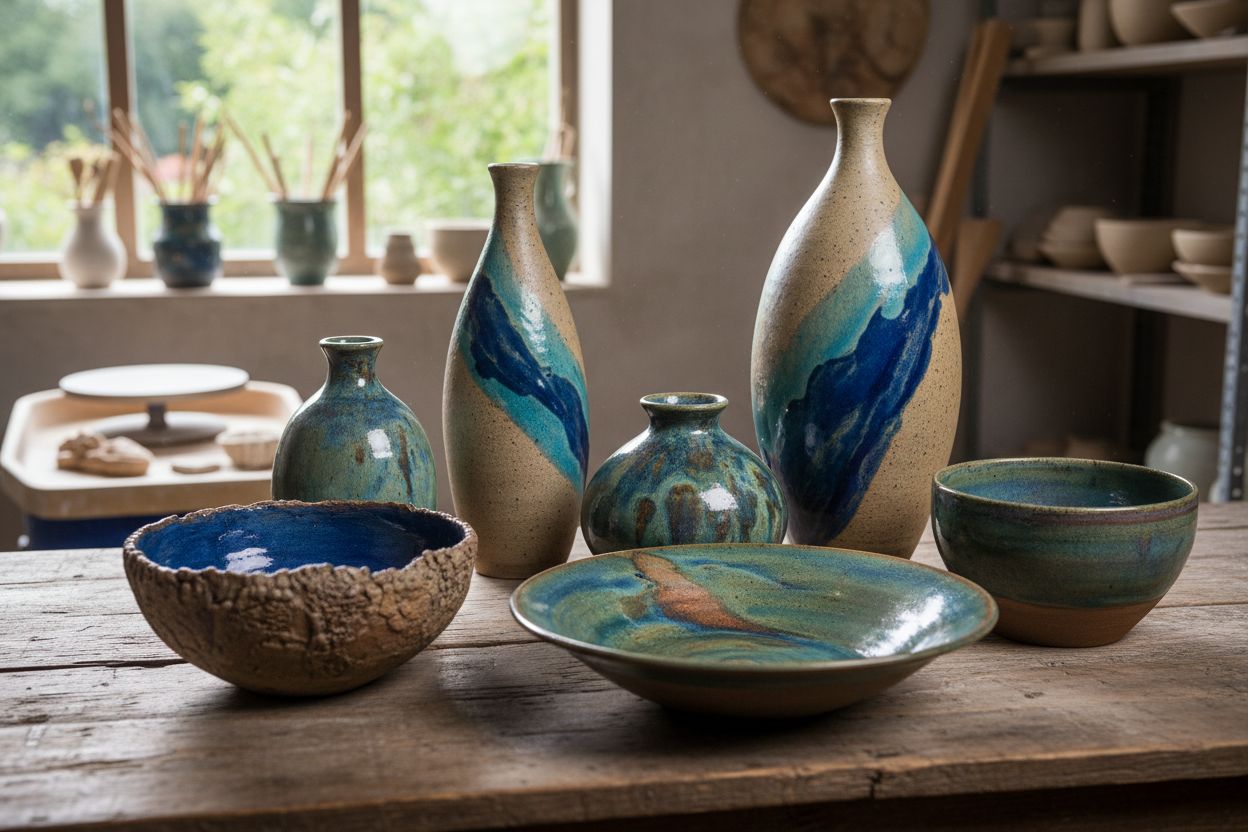
A piece of pottery sitting on a shelf might be a valuable Rookwood, Roseville, or Grueby creation worth hundreds or thousands, or a decorative reproduction worth very little. Maker's marks are the key to identification, but many marks are obscure or worn. Glaze quality, form rarity, and condition interact to determine value within each pottery maker's output. Value Identifier's AI draws on extensive mark databases and visual pattern recognition to identify and price your pottery accurately.
What your scan returns
Point your camera at your pottery and get a full report in seconds: identification, a market-based price range, condition, rarity and more. Here's an example of the kind of report you'll see.
Pottery
Roseville Pinecone Vase, 8 in
$120 – $250
Condition
No Chips
Rarity
Pattern Favorite
Year
c. 1936
A blue Pinecone-pattern vase with crisp mold detail and no chips, cracks, or repairs. Condition is everything in art pottery — a single hairline can halve the price.
Fun fact
Roseville's Pinecone line saved the company during the Depression.
Key factors that determine Pottery value
Maker & Workshop
Renowned potteries like Rookwood, Roseville, Weller, Newcomb, and Grueby command established collector premiums based on their reputation.
Glaze & Decoration
Exceptional glazes, hand-painted decoration, and experimental finishes are valued more highly than standard production pieces.
Form & Size
Unusual forms, large display pieces, and shapes exclusive to certain production periods carry additional premiums.
Condition
Chips, cracks, repairs, and glaze flaking significantly reduce value. Perfect condition is paramount for maximum pricing.
Period & Rarity
Early production, transitional pieces, and limited experimental runs from major potteries are most sought after by specialists.
Tips for scanning your Pottery
Photograph the piece from the front and side, then flip it over to capture any maker's marks, stamps, or incised numbers on the base.
Use natural light to accurately represent glaze colors. Artificial lighting can misrepresent the specific shades that determine maker and period.
Capture any damage close-up, including chips, hairline cracks, or restoration areas, as these critically impact the condition assessment.
For decorated pottery, photograph the decoration or painted scenes in detail so the AI can identify the artist and decorative style.
Pottery market overview
American art pottery maintains a dedicated collector base with active trading at specialty auctions, shows, and online platforms. Arts and Crafts era pottery from the early 20th century continues to perform well, while mid-century studio pottery has gained appreciation among design-focused collectors. Condition remains the gatekeeper. Damaged pieces trade at steep discounts regardless of maker.
Pottery valuation FAQ
Can Value Identifier read pottery marks?+
Yes. The AI recognizes thousands of pottery marks including impressed stamps, printed logos, incised signatures, and painted marks from American, European, and Asian pottery makers.
Is damaged pottery worth anything?+
Some damaged pieces retain value if the maker is important and the damage is minor, but generally, chips and cracks reduce value by 50-80% compared to perfect examples. Rare forms may hold value better despite damage.
What pottery is most valuable?+
Art pottery from Newcomb College, Grueby, George Ohr, and early Rookwood commands the highest prices. Arts and Crafts era pottery and significant studio pottery pieces also achieve strong auction results.
How does the AI identify unmarked pottery?+
When marks are absent, Value Identifier analyzes glaze characteristics, form proportions, clay color, and decorative style to suggest probable makers and production periods based on visual pattern matching.
More art and decorative pieces
Ready to identify & value your Pottery?
Download Value Identifier free and scan your first items, no account needed.