Discover the True Value of Your Wine
Fine wine is both a consumable luxury and an investable asset, with certain bottles and vintages appreciating dramatically over time. Value Identifier's AI reads labels, identifies producers, recognizes vintages, and references current auction and retail data to price your wine accurately.


Try it free, identify any item
Snap or upload a photo and get its value in seconds
Why knowing your Wine value matters
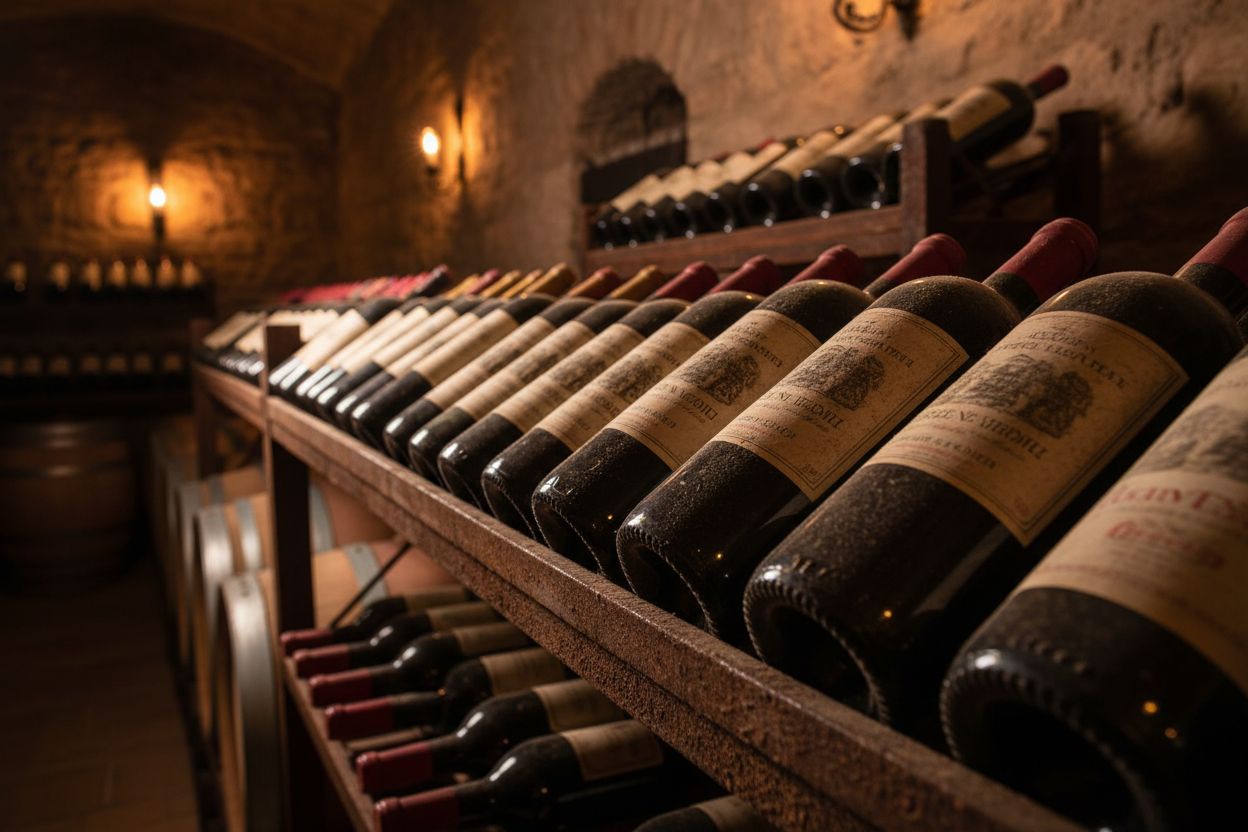
Wine value depends on producer reputation, vintage quality, provenance, and storage conditions. A bottle of first-growth Bordeaux from an outstanding vintage can be worth a hundred times more than the same estate in a mediocre year. Storage history is critical, as improperly stored wine loses both quality and value. The difference between a genuine and counterfeit bottle at the high end can represent thousands of dollars. Value Identifier provides the knowledge to evaluate your wine before opening or selling.
What your scan returns
Point your camera at your wine and get a full report in seconds: identification, a market-based price range, condition, rarity and more. Here's an example of the kind of report you'll see.
Wine
Caymus Cabernet Sauvignon 2018
$70 – $95
Condition
Good Fill
Rarity
Collectible Label
Year
2018
A well-stored Napa cabernet with clean label and high fill. Provenance and storage history are everything in wine resale — the same bottle poorly stored is worth a fraction.
Fun fact
Screaming Eagle, Napa's cult king, sells for over $3,000 a bottle on release.
Key factors that determine Wine value
Producer & Region
First-growth Bordeaux, top Burgundy domaines, cult Napa Cabernets, and prestigious estates from other regions command the highest prices.
Vintage
The specific harvest year determines wine quality and market value, with outstanding vintages commanding multiples of weaker years from the same producer.
Bottle Size
Standard 750ml bottles are the most traded, while magnums and larger formats often carry premiums per volume.
Storage & Provenance
Documented temperature-controlled storage and clear ownership history increase buyer confidence and value.
Label & Fill Level
Clean labels without damage and appropriate fill levels for the wine's age indicate proper storage and authenticity.
Tips for scanning your Wine
Photograph the full front label clearly, ensuring the producer name, vintage year, and appellation are all readable.
Capture the back label if present, as it may contain additional vintage information, importer details, and bottle identification data.
Include a shot showing the fill level (ullage) of the bottle, as this indicates storage quality and affects both drinkability and value.
Photograph the capsule and cork condition if visible, as these provide additional storage quality indicators the AI can assess.
Wine market overview
The fine wine market has shown consistent long-term appreciation for top producers and outstanding vintages, often outperforming traditional financial benchmarks. Burgundy prices have risen dramatically as production quantities remain tiny relative to global demand. Bordeaux remains the most traded region by volume. Italian wines (Barolo, Brunello, Super Tuscans) have gained increasing investment attention.
Wine valuation FAQ
Can Value Identifier read wine labels?+
Yes. The AI recognizes wine labels from major global producers, identifying the estate, vintage, appellation, and classification to provide accurate market pricing.
Does storage affect wine value?+
Enormously. Wine stored at proper cellar temperatures (55°F/13°C) retains value, while wine exposed to heat or light may be worthless regardless of the label. The AI assesses visible indicators of storage quality.
What wines are most valuable?+
First-growth Bordeaux (Lafite, Mouton, Margaux, Haut-Brion, Latour), top Burgundy (DRC, Leroy, Rousseau), and cult California wines (Screaming Eagle, Harlan) consistently command the highest prices.
How does vintage affect wine price?+
The vintage year is one of the most significant price factors. A great vintage from a top producer can be worth 3-10x more than a poor vintage from the same estate. The AI references vintage quality ratings in its valuation.
More bottles worth checking
Ready to identify & value your Wine?
Download Value Identifier free and scan your first items, no account needed.