What Are Your Violins Really Worth?
Violins occupy one of the widest price ranges in the musical instrument world, from student instruments worth under a hundred dollars to legendary Stradivari and Guarneri masterpieces worth millions. Value Identifier's AI analyzes construction details, labels, scroll carving, varnish, and f-hole design to identify and price your violin.


Try it free, identify any item
Snap or upload a photo and get its value in seconds
Why knowing your Violins value matters
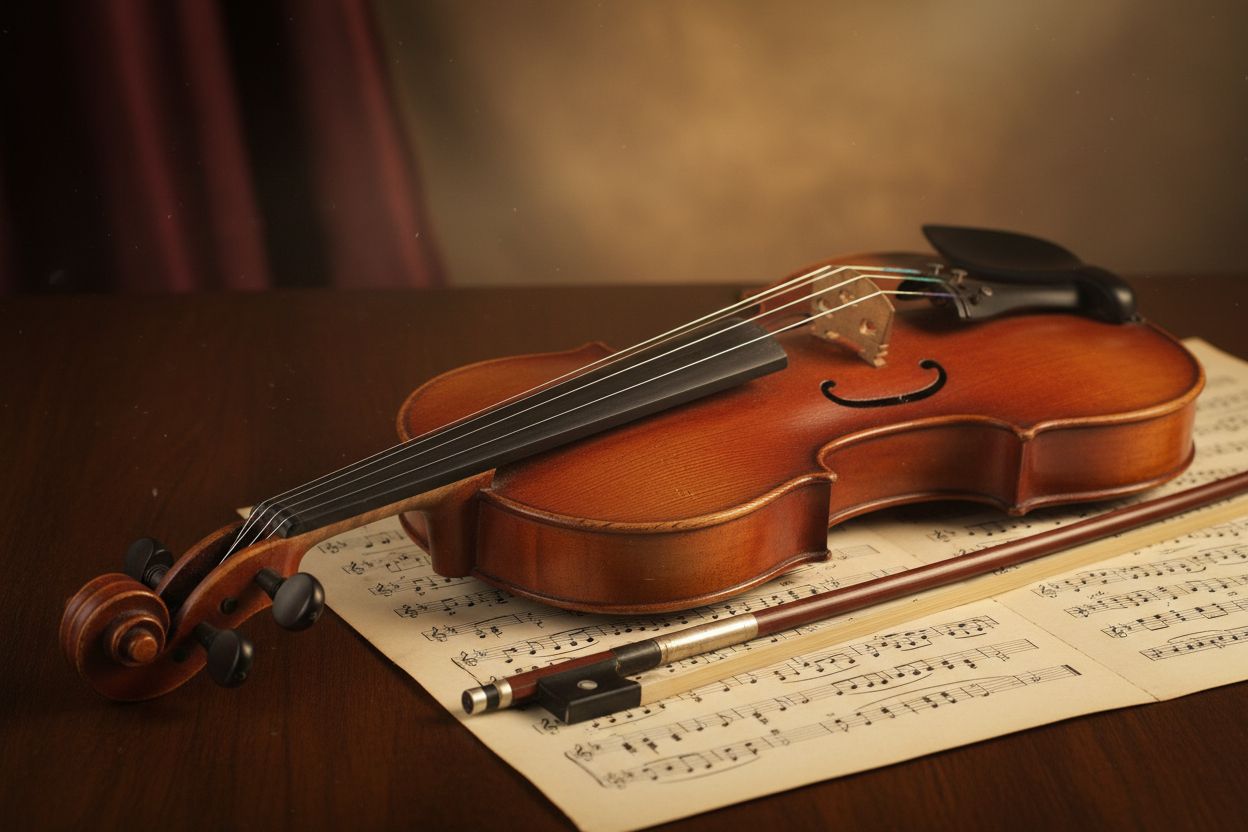
The violin market is complicated by a long history of labels that do not necessarily reflect the actual maker. Countless violins bear copies of Stradivarius labels but were made in German, French, or Czech workshops. Genuine maker identification requires analysis of construction methods, wood selection, varnish characteristics, and stylistic details that go far beyond the label inside. Professional-quality instruments from recognized modern makers and ateliers command strong prices, while student instruments may have limited resale value. Value Identifier provides the analytical first step in understanding what you actually own.
What your scan returns
Point your camera at your violins and get a full report in seconds: identification, a market-based price range, condition, rarity and more. Here's an example of the kind of report you'll see.
Violins
German Trade Violin, 4/4
$300 – $800
Condition
Good Setup
Rarity
Workshop Made
Year
c. 1900
A Markneukirchen workshop violin with tight seams, good neck angle, and a recent setup. The 'Stradivarius' label inside is a model designation — nearly every old violin has one.
Fun fact
Millions of violins carry Stradivarius labels; fewer than 650 real ones exist.
Key factors that determine Violins value
Maker Attribution
The confirmed or estimated maker is the primary value driver. Old Italian makers command the highest prices, followed by fine French and German makers.
Tonal Quality
Sound quality, projection, and responsiveness significantly affect value for playing instruments, though this cannot be fully assessed from photographs.
Condition
Cracks (especially soundpost cracks and bass bar cracks), repaired or unrepaired damage, varnish condition, and overall structural integrity affect value significantly.
Age & Period
Period instruments from the 18th century Italian golden age command the highest prices, though fine instruments from any era have value.
Provenance & Documentation
Certificates of authenticity from recognized experts, exhibition history, and documented ownership chain add significant value.
Tips for scanning your Violins
Photograph the violin front and back in natural light, capturing the entire instrument including scroll, f-holes, and tailpiece.
Include a close-up of the label through the f-hole, while labels are often unreliable, they provide important starting information for research.
Capture the scroll from multiple angles, as scroll carving style is one of the most reliable indicators of maker, school, and quality.
Photograph the f-holes in detail, as their shape, cutting precision, and positioning are key identification features used by experts.
Violins market overview
The fine violin market operates through specialized dealers and auction houses, with top instruments achieving auction results that make international news. The market for professional-quality instruments from modern makers has strengthened as performers seek alternatives to increasingly scarce and expensive historical instruments. Student and intermediate instruments have a broad but price-sensitive market driven by music education participation.
Violins valuation FAQ
My violin says 'Stradivarius' inside. Is it real?+
Almost certainly not. Hundreds of thousands of violins bear copies of Stradivarius labels as a tribute or commercial practice. Genuine Stradivari instruments are all documented and accounted for. Value Identifier assesses the actual construction to estimate the true origin.
Can Value Identifier determine a violin's maker?+
The AI analyzes visual construction details, scroll carving, f-hole shape, varnish, and proportions, to estimate the school, region, and quality tier of a violin. Definitive attribution of fine instruments requires in-person examination by recognized experts.
What makes a violin valuable?+
Maker identity is paramount, followed by tonal quality, condition, age, and provenance. A fine violin from a recognized maker in excellent condition with good sound represents the ideal combination for maximum value.
Are old violins always worth more?+
Not at all. An old student violin from a mass-production workshop may be worth less than a quality modern instrument. Age adds value primarily when combined with recognized craftsmanship and good preservation.
More music gear and records
Ready to identify & value your Violins?
Download Value Identifier free and scan your first items, no account needed.