Get an Accurate Antique Valuation
Antiques span centuries of craftsmanship across furniture, decorative arts, ceramics, metalwork, and countless other categories. Value Identifier's AI draws on vast visual databases to identify makers, periods, styles, and regional origins, giving you a well-rounded appraisal from a single scan.


Try it free, identify any item
Snap or upload a photo and get its value in seconds
Why knowing your Antiques value matters
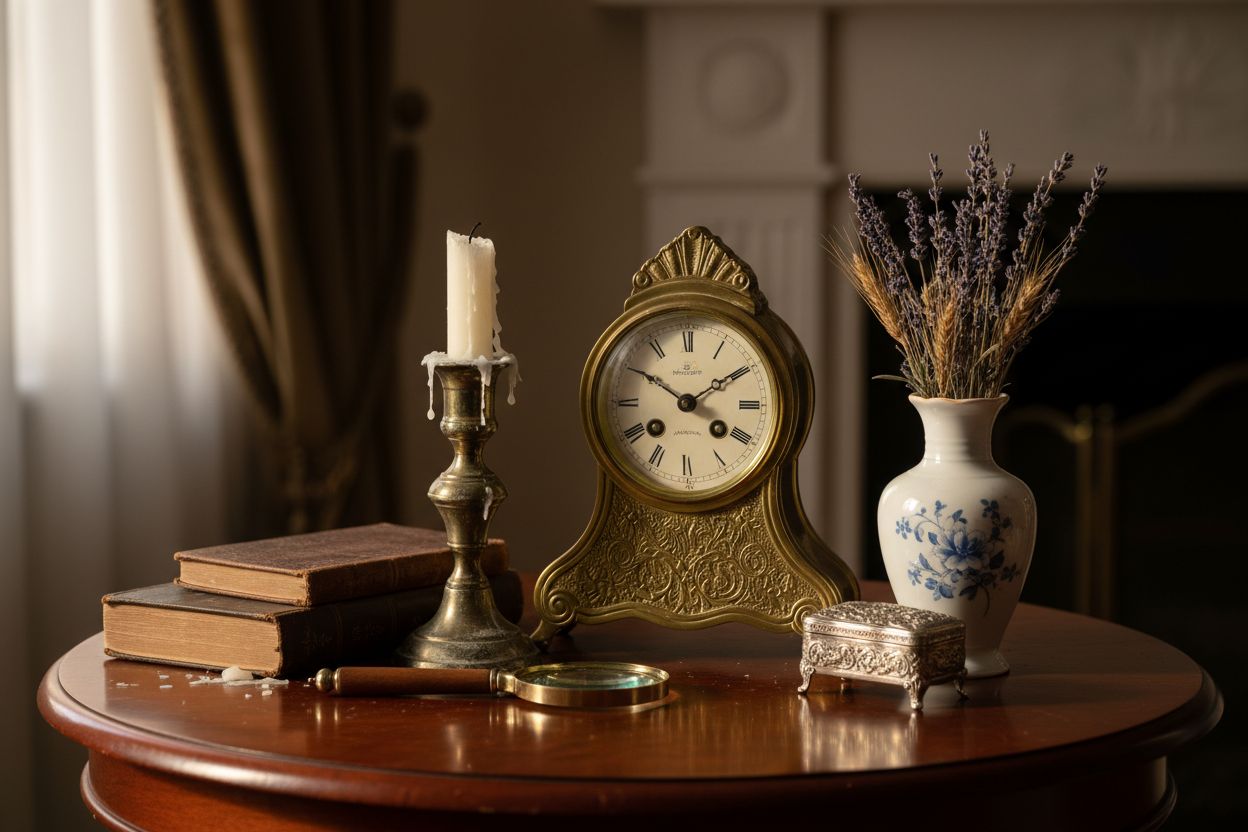
The antiques market rewards deep knowledge and punishes ignorance. A piece that looks like ordinary old furniture might be a signed work by a renowned cabinetmaker worth five figures. Conversely, items that appear impressive can be later reproductions with a fraction of the value. Age alone does not equal worth; provenance, condition, rarity, and current decorating trends all play roles. Value Identifier helps you navigate this complex landscape by identifying what you actually have before you make decisions about selling, insuring, or restoring.
What your scan returns
Point your camera at your antiques and get a full report in seconds: identification, a market-based price range, condition, rarity and more. Here's an example of the kind of report you'll see.
Antiques
Victorian Walnut Writing Desk
$400 – $750
Condition
Good
Rarity
Uncommon
Year
c. 1880
A late-Victorian slant-front desk in walnut with original brass hardware and honest wear. Brown furniture prices are recovering as younger buyers rediscover solid-wood pieces.
Fun fact
Victorian desks often hide small 'secret' drawers behind the pigeonholes.
Key factors that determine Antiques value
Maker & Origin
Identified craftsmen, workshops, or regional production centers (Chippendale, Meissen, Stickley) command premiums tied to their historical reputation.
Age & Period
Genuine period pieces from the 18th century or earlier typically outvalue 19th-century reproductions, though both have their markets.
Condition & Originality
Pieces retaining original finishes, hardware, and structural integrity are preferred over those with extensive restoration or replacement parts.
Provenance
Documented ownership history, exhibition records, or connections to notable figures can multiply an antique's value significantly.
Current Market Demand
Interior design trends and generational collecting preferences shift which styles and periods are most sought after at any given time.
Tips for scanning your Antiques
Photograph the entire piece from the front, then capture close-ups of any marks, labels, stamps, or construction details on the underside or back.
Include a common object like a coin or ruler in one shot to provide scale, which helps the AI assess proportions and identify the piece type.
Use natural daylight near a window for the most accurate color representation. Artificial lighting can skew wood tones and patina colors.
Document any damage, repairs, or alterations with separate close-up photos, as these significantly influence the condition assessment.
Antiques market overview
The antiques market has evolved as younger collectors gravitate toward Mid-Century Modern and industrial styles while traditional brown furniture faces softer demand. However, exceptional pieces from any era continue to perform well at major auction houses. The market increasingly rewards authenticity and condition over mere age, and online platforms have opened global access to buyers who once relied on local dealers alone.
Antiques valuation FAQ
How old does something need to be to qualify as an antique?+
Traditionally, antiques are items over 100 years old. Items between 20-100 years old are typically classified as vintage. Value Identifier provides identification and pricing regardless of age classification.
Can the AI identify reproduction antiques?+
Value Identifier analyzes construction methods, materials, wear patterns, and stylistic details that often distinguish genuine period pieces from later reproductions. Certain red flags like machine-cut dovetails on supposedly 18th-century furniture are reliably detected.
Does restoration affect antique value?+
It depends on the quality and extent. Sympathetic conservation that preserves original character may maintain value, while aggressive refinishing or inappropriate replacement parts typically diminish it.
What antiques are currently most collectible?+
Mid-Century Modern furniture and lighting, early American folk art, Asian decorative arts, and fine European ceramics are among the strongest current categories. Trends shift, so scanning pieces periodically helps track changing values.
Can Value Identifier read maker's marks?+
Yes. The AI is trained on thousands of pottery marks, silver hallmarks, furniture labels, and foundry stamps. Clear close-up photographs of these marks dramatically improve identification accuracy.
Ready to identify & value your Antiques?
Download Value Identifier free and scan your first items, no account needed.