What Are Your Engagement Rings Really Worth?
Engagement rings represent both emotional significance and substantial financial value. Value Identifier's AI analyzes center stones, setting styles, metal types, and designer hallmarks to deliver realistic resale pricing that accounts for the realities of the pre-owned engagement ring market.


Try it free, identify any item
Snap or upload a photo and get its value in seconds
Why knowing your Engagement Rings value matters
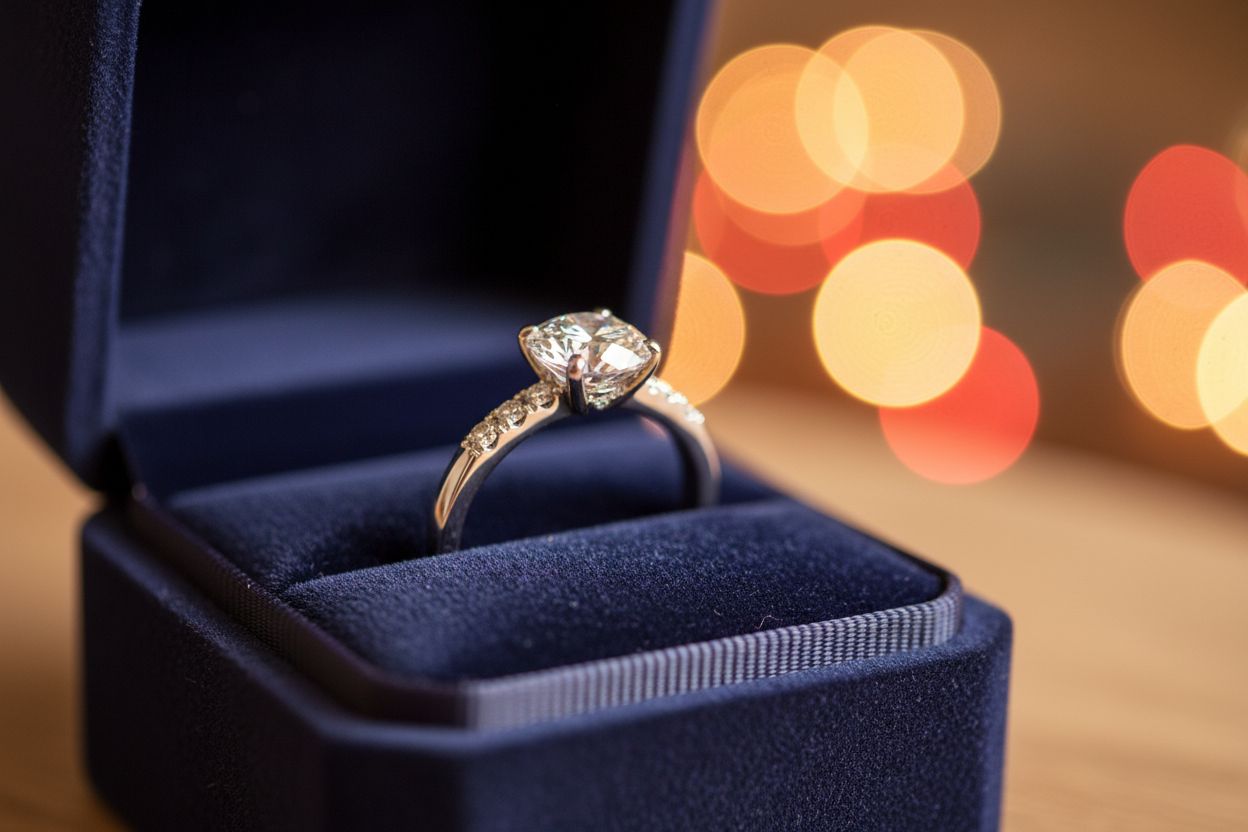
Engagement rings often represent one of the largest purchases a person makes, yet resale values can be a fraction of retail. Understanding why and how much your ring is worth in today's market is essential for insurance, estate planning, or resale purposes. The center stone quality (4Cs), designer brand, and setting craftsmanship all factor into resale value independently. Value Identifier provides transparent market pricing that helps you make informed decisions without the emotional pressure of a jewelry store environment.
What your scan returns
Point your camera at your engagement rings and get a full report in seconds: identification, a market-based price range, condition, rarity and more. Here's an example of the kind of report you'll see.
Engagement Rings
1.2 ct Solitaire, 14k White Gold
$2,000 – $3,200
Condition
Excellent
Rarity
Certified Stone
Year
Modern
A certified round solitaire in a classic setting. Resale runs 40-60% of retail — the stone's certificate, not the brand of the setting, carries the value.
Fun fact
The 'two months' salary' rule was invented by a De Beers ad campaign.
Key factors that determine Engagement Rings value
Center Stone Quality
Diamond or gemstone quality (cut, color, clarity, carat) is the primary value driver, often representing 70-90% of the ring's total value.
Setting Metal
Platinum, 18K gold, and 14K gold settings have different material values and perceived quality levels that affect overall pricing.
Designer Brand
Rings from Tiffany, Harry Winston, Cartier, and other luxury jewelers carry brand premiums that persist in the resale market.
Certification
GIA-certified diamonds sell at premiums over uncertified stones, as the certificate provides independent quality verification buyers trust.
Setting Style & Side Stones
Halo, three-stone, pavé, and solitaire settings each have different market appeal, and quality side stones add incremental value.
Tips for scanning your Engagement Rings
Photograph the ring from directly above and at a 45-degree angle, showing the center stone, setting, and band design clearly.
Capture any hallmarks or brand stamps inside the band. These identify the metal type, designer, and sometimes the collection.
Include the GIA or other lab certificate in a separate clear photo, as certification data is the most reliable way to value the center stone.
Use bright white light to show the diamond's brilliance, and include a side view to demonstrate the stone's profile and setting height.
Engagement Rings market overview
The pre-owned engagement ring market has grown with online platforms making buying and selling more accessible and transparent. Lab-grown diamonds have created downward pressure on natural diamond resale values at the lower price tiers. However, high-quality natural diamonds with GIA certification maintain relatively stable resale values. Designer-branded rings from Tiffany and Cartier retain the highest percentages of their original retail prices.
Engagement Rings valuation FAQ
Why are engagement rings worth less than what I paid?+
Retail engagement ring prices include significant markups for overhead, marketing, and profit. Resale values reflect the secondary market where buyers have access to competitive pricing. Branded rings from Tiffany or Cartier retain more of their retail value due to brand recognition.
Does the brand matter for resale?+
Yes. Tiffany, Cartier, and Harry Winston rings typically resell for 50-70% of retail, while unbranded rings may resell for 30-50% depending on stone quality. The brand provides buyer confidence that supports premium resale pricing.
How important is GIA certification?+
Very important for resale. GIA-certified diamonds sell at premiums because buyers trust the independent grading assessment. Non-certified diamonds require more scrutiny and typically sell at discounts.
Should I sell the ring whole or extract the diamond?+
Usually selling the ring whole is better for branded rings. For unbranded rings, the diamond alone may yield a similar return since the setting's resale value is primarily its metal weight. Value Identifier provides estimates for both scenarios.
More jewellery and precious metals
Ready to identify & value your Engagement Rings?
Download Value Identifier free and scan your first items, no account needed.