Get an Accurate Musical Instrument Valuation
Musical instruments range from student-grade pieces to concert-quality masterworks and vintage collectibles. Value Identifier's AI identifies brands, models, construction details, and vintage characteristics to deliver pricing that reflects both player demand and collector interest.


Try it free, identify any item
Snap or upload a photo and get its value in seconds
Why knowing your Musical Instruments value matters
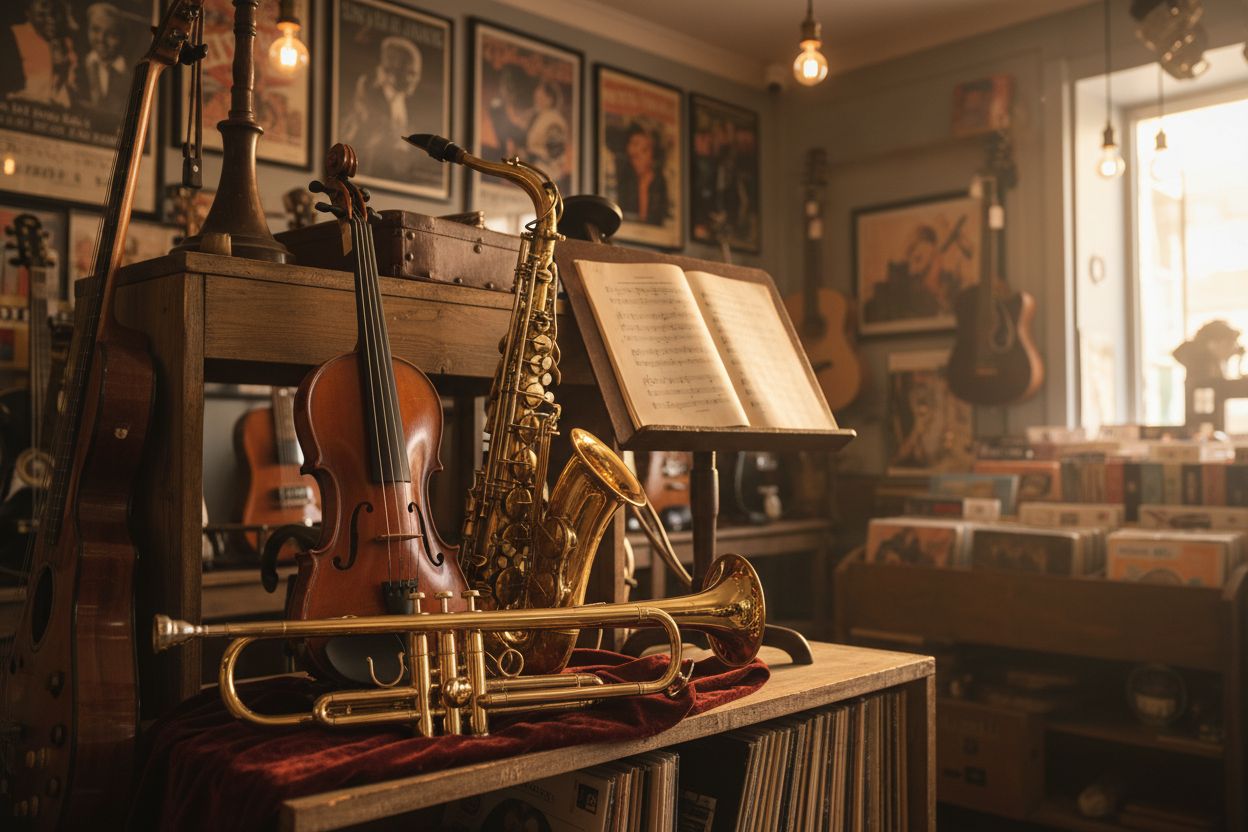
A musical instrument's value is determined by a complex interplay of brand reputation, craftsmanship, tonal quality, age, and condition. Vintage instruments from renowned makers can be worth exponentially more than modern equivalents, while poorly maintained examples of any age lose value rapidly. Understanding whether your instrument is a mass-produced student model or a handcrafted professional piece is essential for accurate pricing. Value Identifier bridges this knowledge gap instantly.
What your scan returns
Point your camera at your musical instruments and get a full report in seconds: identification, a market-based price range, condition, rarity and more. Here's an example of the kind of report you'll see.
Musical Instruments
Yamaha U1 Upright Piano
$2,500 – $4,000
Condition
Excellent
Rarity
Studio Standard
Year
c. 1985
The world's most recommended used upright, with clean action and stable tuning. Japanese-built U1s from the 80s are considered the sweet spot of quality and price.
Fun fact
Yamaha has built more than 6 million pianos since 1900.
Key factors that determine Musical Instruments value
Maker & Brand
Instruments from brands like Steinway, Yamaha, Stradivarius (or quality modern makers), Selmer, and Conn command established market ranges.
Construction Quality
Handcrafted instruments with premium tonewoods, hardware, and finish work are valued substantially above factory-produced equivalents.
Condition & Playability
Structural integrity, finish condition, pad and string state, and overall setup quality affect both playability and resale value.
Age & Vintage Status
Certain vintage instruments from peak production eras are prized above modern production, though age alone does not guarantee premium value.
Accessories & Case
Original cases, mouthpieces, bows, and other accessories contribute meaningful value to the complete instrument package.
Tips for scanning your Musical Instruments
Photograph the instrument full-length from front and back, then capture close-ups of any brand markings, serial numbers, or labels.
Include shots of the headstock or scroll, bridge, keys or valves, and any unique features that distinguish the specific model.
For stringed instruments, photograph through the sound hole or f-hole to capture internal labels that are critical for identification.
Document any damage, wear, or repairs with separate photos, as these significantly impact the condition-based pricing.
Musical Instruments market overview
The musical instrument market is segmented between working musicians seeking playable tools and collectors pursuing vintage examples and iconic brands. Online platforms have improved price transparency and expanded the buyer pool for specialty instruments. The pandemic-era surge in music hobby participation lifted used instrument demand and prices, with many gains sustained.
Musical Instruments valuation FAQ
What types of instruments does Value Identifier cover?+
The AI recognizes guitars, basses, keyboards, pianos, brass, woodwinds, stringed orchestral instruments, percussion, and more. It covers both acoustic and electronic instruments from major manufacturers.
Are vintage instruments always worth more?+
Not universally. Instruments from certain vintage eras and makers are highly prized, but a poorly maintained vintage instrument may be worth less than a quality modern one. The AI evaluates each instrument individually.
How does condition affect instrument value?+
Condition is critical. Structural issues like cracks, warping, or corrosion significantly reduce value, while cosmetic wear has a more moderate impact. Professional refurbishment can recover some value but is noted in the assessment.
Can the AI identify the wood type in an instrument?+
Value Identifier analyzes visible grain patterns and coloring to estimate wood species for acoustic instruments. Tonewood identification (spruce, rosewood, mahogany, maple) helps determine quality tier and value.
More music gear and records
Ready to identify & value your Musical Instruments?
Download Value Identifier free and scan your first items, no account needed.