Get an Accurate Clock Valuation
Clocks have been both functional timekeepers and decorative art objects for centuries, with examples ranging from simple mantel clocks to elaborate grandfather clocks and precision marine chronometers. Value Identifier's AI identifies clock types, makers, movements, and stylistic periods to deliver informed market valuations.


Try it free, identify any item
Snap or upload a photo and get its value in seconds
Why knowing your Clocks value matters
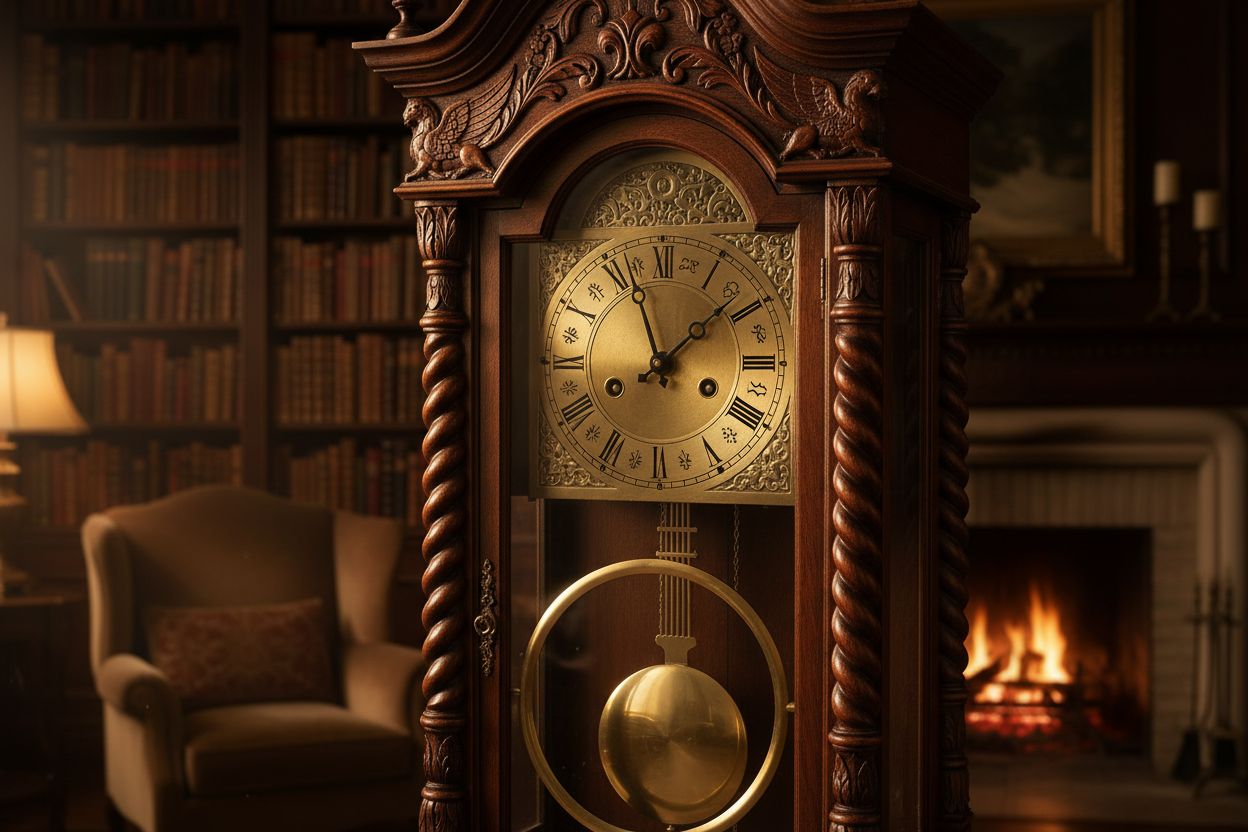
Clock values depend on a complex combination of maker, movement type, case quality, age, and condition. A grandfather clock by a recognized maker with an original movement can be worth ten times what a similar-looking piece with a generic movement commands. The market has shifted as large case clocks face reduced demand in modern homes, while quality mantel clocks, carriage clocks, and specialty timepieces maintain stronger value. Value Identifier identifies the specific factors that determine where your clock sits in the current market.
What your scan returns
Point your camera at your clocks and get a full report in seconds: identification, a market-based price range, condition, rarity and more. Here's an example of the kind of report you'll see.
Clocks
Seth Thomas Mantel Clock, 8-Day
$120 – $250
Condition
Running
Rarity
American Classic
Year
c. 1900
An eight-day time-and-strike mantel clock with original movement, dial, and pendulum. Running condition and originality drive value; a silent clock is worth half.
Fun fact
Seth Thomas built the clock movement in New York's Grand Central Terminal.
Key factors that determine Clocks value
Maker & Movement
The clockmaker and movement manufacturer are primary value determinants. Howard, Tiffany, Chelsea, and quality European makers command premiums.
Clock Type
Grandfather, mantel, wall, carriage, cuckoo, and specialty clocks each have distinct market segments and value ranges.
Case Quality
Hand-carved cases, fine wood species, gilded bronze (ormolu), and quality finishing elevate case value independently of the movement.
Functionality
Clocks in running condition with accurate timekeeping are worth more than non-functional examples, though the movement's potential for restoration matters.
Age & Originality
Period-original movements, dials, hands, and cases are preferred. Replacement components reduce value from the all-original standard.
Tips for scanning your Clocks
Photograph the clock face straight-on, ensuring the maker's name, dial details, and hand style are clearly visible.
Capture the case from front and side angles to show wood type, carving, and overall style for period identification.
Open the back or access panel if safe to do so and photograph the movement, as movement marks and quality are critical for valuation.
Include any pendulum, key, or accessories in your photos, as completeness with original components affects pricing.
Clocks market overview
The clock market has experienced a shift as large grandfather and wall clocks face softer demand due to modern living space constraints. Quality mantel clocks, carriage clocks, and marine chronometers have maintained stronger relative values. The collector market for precision timepieces and clocks by recognized makers continues to support premium prices, while decorative clocks are valued more for their aesthetic and case quality.
Clocks valuation FAQ
Does a clock need to work to be valuable?+
Working condition adds value, but quality non-running clocks with good movements can often be restored. The AI assesses value based on the clock's potential as well as its current functional state.
Are grandfather clocks still valuable?+
Quality grandfather clocks by recognized makers (Howard, Herschede, Ridgeway) maintain value, though the market has softened for large case clocks in general. Exceptional pieces continue to sell well at specialized auctions.
Can Value Identifier identify clock movements?+
When the movement is visible and photographed, the AI can identify many movement types, makers, and quality levels by analyzing gear trains, escapement types, and maker's markings.
What clocks are most collectible right now?+
Quality mantel clocks, Chelsea ship's clocks, French carriage clocks, Vienna regulators, and precision chronometers are among the most actively collected clock types currently.
Ready to identify & value your Clocks?
Download Value Identifier free and scan your first items, no account needed.