Do You Have a Valuable Error Coin?
Try it free, identify any item
Snap or upload a photo and get its value in seconds
Mint errors happen when something goes wrong during striking: off-center strikes, doubled dies, clipped planchets, wrong-metal strikes, and more. Some are worth a fortune, many are worth a little, and most coins people think are errors are just damage. Value Identifier helps tell them apart.


Why knowing your Error Coins value matters
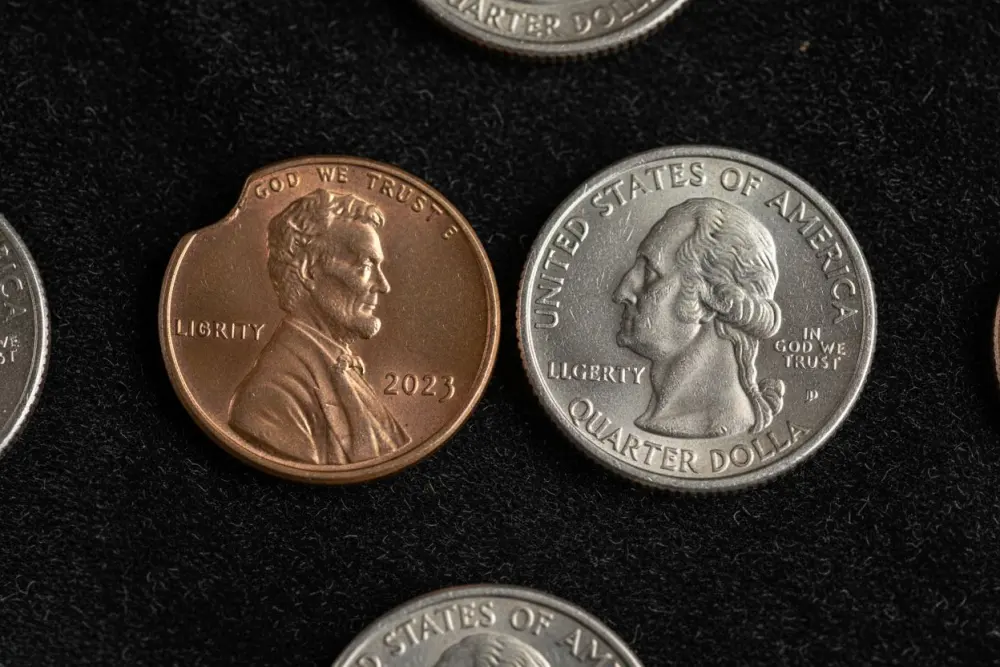
The error market is where hype and reality collide. Genuine errors can be extremely valuable, which is exactly why post-mint damage gets mistaken for errors constantly. A real off-center strike or doubled die is worth real money, while a coin dented in a washing machine is not. Correct classification is the difference between a payday and a letdown.
What your scan returns
Point your camera at your error coins and get a full report in seconds: identification, a market-based price range, condition, rarity and more. Here's an example of the kind of report you'll see.
Error Coins
1995 Doubled Die Lincoln Cent
$20 – $50
Condition
About Unc.
Rarity
Popular Error
Year
1995
Clear doubling on LIBERTY and IN GOD WE TRUST, visible with a loupe. Doubled dies, off-centers, and wrong-planchet errors are the collected mistakes worth real money.
Fun fact
The 1955 doubled die cent — the most famous error coin — reaches $25,000 in top grades.
Key factors that determine Error Coins value
Error Type
Major errors such as off-metal strikes, full off-centers, double strikes, and mules are worth far more than minor die cracks or small clips.
Authenticity vs Damage
Post-mint damage like scratches, dents, and environmental marks is not an error and carries no premium. This is the most important distinction.
Coin Series & Date
An error on a scarce or popular coin is worth more than the same error on a common modern coin.
Severity & Eye Appeal
A dramatic, clearly visible error commands more than a subtle one, and full dates on off-center coins add value.
Certification
Because fakes and damage are everywhere, third-party attribution drives the upper market for valuable errors.
Tips for scanning your Error Coins
Photograph the entire coin in sharp focus so the AI can classify the error type accurately.
Capture close-ups of the anomaly from straight on and at a slight angle to show whether it is raised from striking or sits on top as post-mint damage.
Include the date and denomination, since value depends heavily on which coin the error appears on.
Do not alter or clean the coin. Tampering destroys the evidence that distinguishes a real error from damage.
Error Coins market overview
Error collecting is a specialized but passionate corner of numismatics. Dramatic, authenticated errors draw competitive bidding, while minor errors trade for small premiums. The market punishes damage masquerading as errors, so certified attribution matters more here than almost anywhere else in coins.
Error Coins valuation FAQ
How do I know if my coin is an error or just damaged?+
Genuine errors happen at the mint during striking and show as part of the coin's struck surface. Post-mint damage such as scratches, dents, and corrosion sits on top of a normal strike. Value Identifier estimates which you likely have.
What are the most valuable coin errors?+
Off-metal and wrong-planchet strikes, dramatic off-center strikes with full dates, major doubled dies, and mules. Minor die cracks and small clips are worth far less.
Is a doubled die the same as doubling from circulation?+
No. A doubled die is an error created in the die itself and is valuable. Machine doubling and worn doubling are common, flat, and carry no premium.
Should I get my error coin certified?+
For anything that looks significant, yes. Certification confirms the error is genuine and not damage, which is what serious buyers require before paying a premium.
Read the guide
Ready to identify & value your Error Coins?
Download Value Identifier free and scan your first items, no account needed.